
Age Chart Reveals How Much Sleep You Might Need To Stay Refreshed & Productive
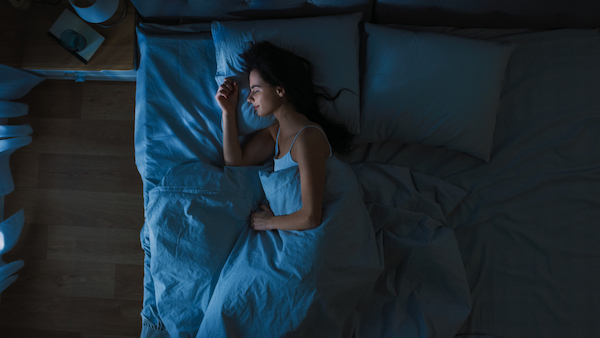
Image via Shutterstock
It’s getting even more challenging to get adequate sleep in this digital age, and services like Netflix—as well as their deliberate design decisions that encourage you to stay up—aren’t helping.
Predictably, the number of sleep hours you need changes as you age. As a rule of thumb, the National Sleep Foundation spent two years evaluating scientific studies to create a table suggesting ideal sleep durations for various age groups.
It’s also not recommended that you make up for your sleep debt over the weekend, as oversleeping isn’t good for health, either.
“For healthy individuals with normal sleep, the appropriate sleep duration for newborns is between 14 and 17 hours, infants between 12 and 15 hours, toddlers between 11 and 14 hours, preschoolers between 10 and 13 hours, and school-aged children between 9 and 11 hours. For teenagers, eight to 10 hours was considered appropriate, seven to nine hours for young adults and adults, and seven to eight hours of sleep for older adults,” the organization proposed.
The most detrimental durations for young adults aged 18 to 25 years old are under six hours or more than 11 hours. Adults aged 26 to 64 years old are advised against having less than six hours or more than 10 hours of sleep, and older adults ages 65 and above should avoid having less than five or more than nine hours of shuteye.
Of course, there are a number of exceptions. How much sleep you should get also depends on genetics. These two questions might help you gauge if you’re getting enough rest.
The full study by the National Sleep Foundation can be viewed here.
Recommended sleep hours
Newborns (zero to three months): 14 to 17 hours
Infants (four to 11 months): 12 to 15 hours
Toddlers (one to two years): 11 to 14 hours
Preschoolers (three to five years): 10 to 13 hours
School-aged children (six to 13 years): nine to 11 hours
Teenagers (14 to 17 years): eight to 10 hours
Young adults (18 to 25 years): seven to nine hours
Adults (26 to 64 years): seven to nine hours
Older adults (65 years and up): seven to eight hours
[via Inverse, cover image via Shutterstock]
Also check out these recent news


