
Iconic Art Of Warhol, Van Gogh, Munch Get Disrupted With Pandemic Struggles
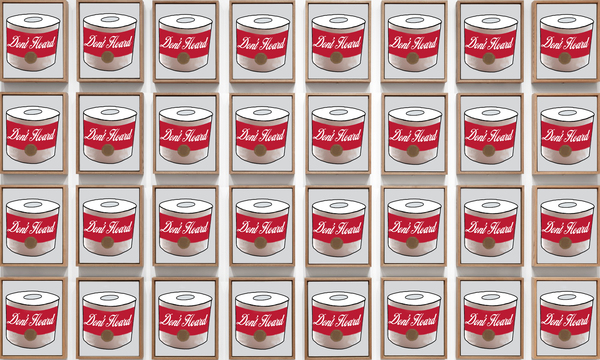
Image by Debbie Vinci and featured with permission
As the coronavirus pandemic continues to affect many around the world, Debbie Vinci has portrayed its impact by weaving in the current plight into historically iconic artworks by the likes of Edward Hopper, Andy Warhol, Van Gogh, Edvard Munch, Joseph De Martini, and Fernand Léger.
As a creative who generates her visions with digital photography and graphic design, Vinci has unveiled a poignant collection called In the Time of Corona. The series reimagines the past lives of significant artworks with the present pandemic crisis through striking retouches that encompass the new norm.
Warhol’s Campbell Soup Cans is now reinvented with a label reading, “Don’t Hoard,” to highlight the panic-buying chaos that ensued amid the COVID-19 outbreak. In the same vein, De Martini’s Docks on Sunday depicts an empty neighborhood with just a long line of patrons heading towards a supermarket.
Vinci’s reinterpretation of Hopper’s Nighthawks displays a deserted downtown diner with a notice stating, “Deliver and Takeout only.” Munch’s The Scream, a symbol for anxiety and fear, exudes the same sentiments but with an added face mask.
Vinci’s pieces aim to convey a form of déjà vu, which envelopes a unified memory between her and those who observe her works.
Check out the In the Time of Corona project below, and discover more projects by Vinci on her website.
Don’t Hoard
Interpretation of Andy Warhol’s ‘Campbell Soup Cans’. Image by Debbie Vinci and featured with permission
Masked Scream
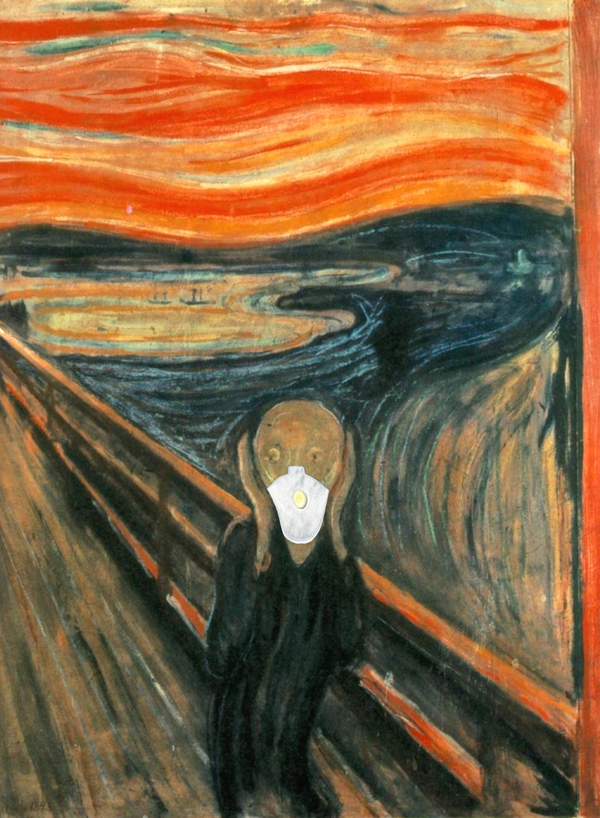
Interpretation of Edvard Munch’s ‘The Scream’. Image by Debbie Vinci and featured with permission
Nighthawk
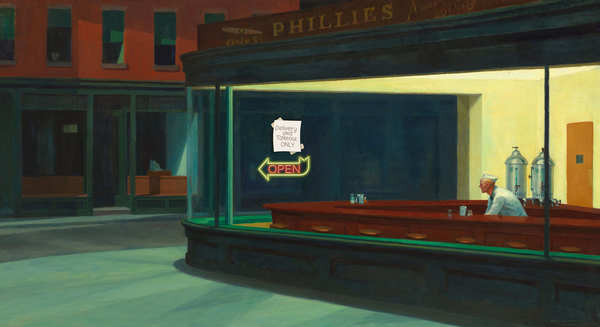
Interpretation of Edward Hopper’s ‘Nighthawks’. Image by Debbie Vinci and featured with permission
Staggered lines
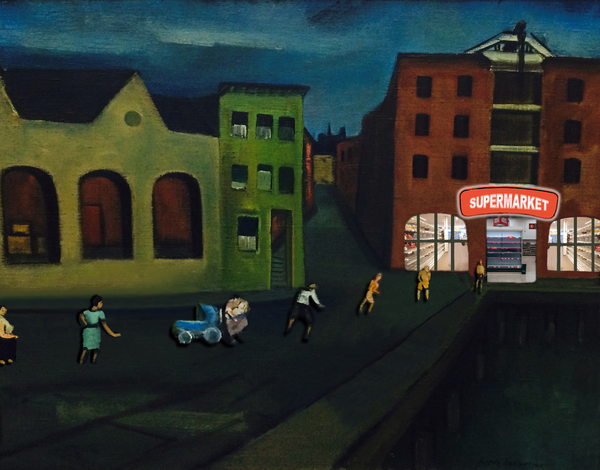
Interpretation of Joseph De Martini’s ‘Docks on Sunday’. Image by Debbie Vinci and featured with permission
The Packed Café Terrace
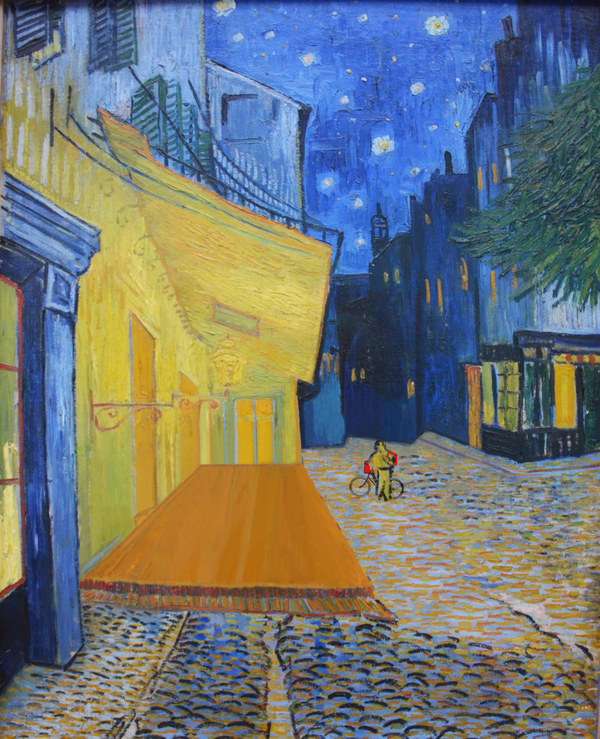
Interpretation of Vincent van Gogh’s ‘Café Terrace at Night’. Image by Debbie Vinci and featured with permission
Woman with Mask and Wipes
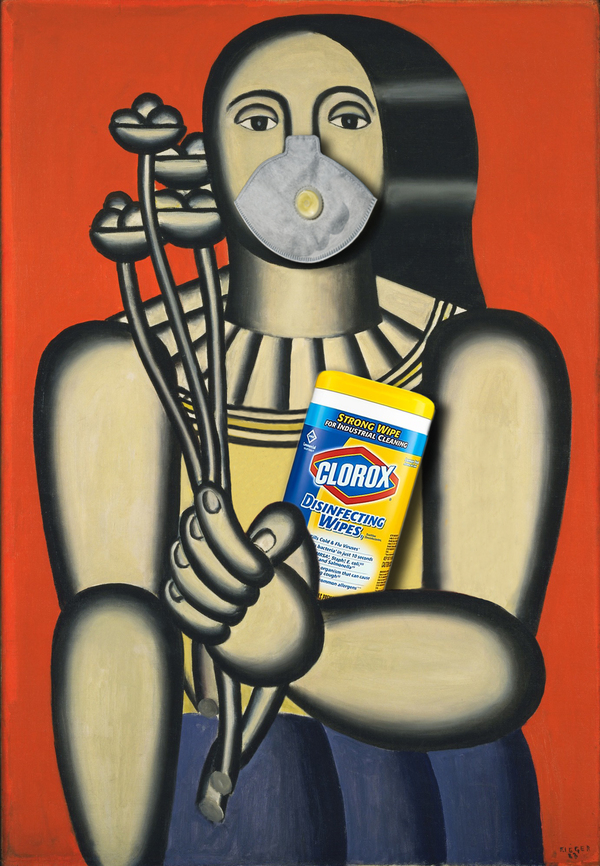
Interpretation of Fernand Léger’s ‘Woman with a Book’. Image by Debbie Vinci and featured with permission
[Images by Debbie Vinci and featured with permission]
Also check out these recent news


