
Quaker Oats Pulls 130-Year-Old Aunt Jemima Branding Due To Racist Stereotypes
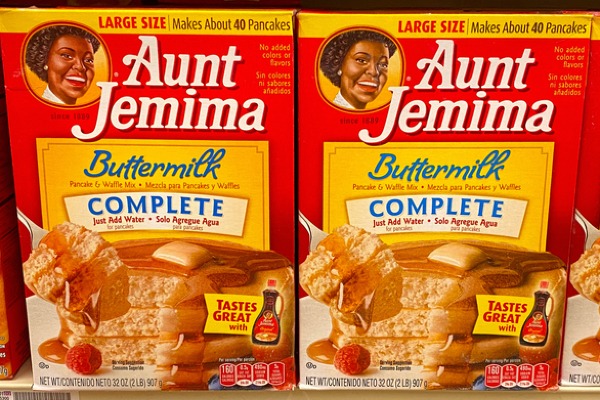
Image via Grossinger / Shutterstock.com
Quaker Oats, producer of Aunt Jemima products, has decided to remove the brand’s imagery and name to end ties with a history deemed by many as racist.
Aunt Jemima’s offerings have sported an image of a Black woman in its packaging for years. The brand is recognized for household products such as pancake mix, syrup bottles, and breakfast food.
The 130-year-old brand’s origin was rooted from the Southern caricature of Black women, who were depicted as loyal and submissive servants of the Jim Crow era, per NBC News.
Riché Richardson, an associate professor of African American literature at Cornell University, wrote in the New York Times in 2015 that the icon is “an outgrowth of Old South plantation nostalgia,” which visually portrayed the icon “as an asexual, plump black woman wearing a headscarf.” The accessory was switched to a headband in 1968.
Quaker Oats acquired the Aunt Jemima brand in 1926, and had since featured Black actresses to play a domestic character serving pancakes in its adverts. However, in 1989, the Aunt Jemima icon was given pearl earrings and a lace collar to denote an upgraded status in wealth.
Though the icon had various changes over the years, the name remained the same since 1889.
The name “Aunt Jemima” came from the minstrel song “Old Aunt Jemima,” in which White actors put on blackface to mock and demean Black people.
Researcher Doris Witt delved into the Aunt Jemima branding for her book Black Hunger: Soul Food and America, and found that several pop culture narratives surrounding the figure had perpetuated the character into a household brand for many White consumers.
Aunt Jemima has long been the Confederate monument of brand names. For decades in the ad campaigns, she was right from the Lost Cause playbook, a racist "Mammy" caricature with a backstory as a former slave who still served and fed white households with a smile on her face. pic.twitter.com/tLi1D1yLV0
— Joshua D. Rothman (@rothmanistan) June 17, 2020
[via Boing Boing, cover image via Grossinger / Shutterstock.com]
Also check out these recent news


