
Scientists Have Discovered Where The Massive Stones From Stonehenge Came From
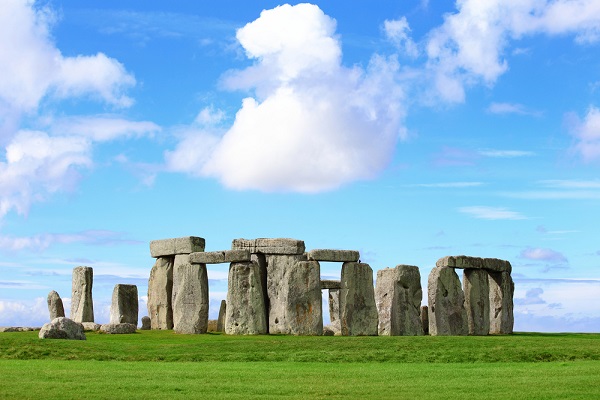
Image via Shutterstock
The origin of the giant boulders at Stonehenge has finally been discovered after a missing piece of the site was returned 60 years later. Details on the breakthrough were published in the Science Advances journal last Wednesday.
Archaeologists have pinpointed the source of the large sarsen stones, which are also known as megaliths, to an area 15 miles north of the site near Marlborough.
The 22-foot sarsens form 15 stones of the Stonehenge’s central horseshoe, and they were impossible to identify until now, while its smaller bluestones have been traced to the Preseli Hills in Wales, according to English Heritage.
The core material of the sarsens was removed during archaeological excavations more than 60 years ago. The material wasn’t found until Robert Phillips, who was involved in the project, decided to return part of it last year.
Researchers then carried out non-destructive tests on the sarsens at Stonehenge and found that they all came from the same area. They then analyzed the outcrops across England.
“Each outcrop was found to have a different geochemical signature, but it was the chance to test the returned core that enabled us to determine the source area for the Stonehenge sarsens,” professor of geography at Brighton University David Nash explained.
After performing a destructive test on the core material, the researchers traced it back to an area called West Woods. According to English Heritage historian Susan Greaney, these stones were “chosen” as the bullders “wanted the biggest, most substantial stones they could find and it made sens to get them from as nearby as possible.”
“To be able to pinpoint the area that Stonehenge’s builders used to source their materials around 2500 B.C. is a real thrill. Now we can start to understand the route they might have traveled and add another piece to the puzzle,” Greaney said.
Researchers are still wondering how the massive stones were transported to their current location. The study also notes that two megaliths from the Stonehenge were obtained elsewhere, and scientists have yet to figure that out.
[via USA Today, opening image via Shutterstock]
Also check out these recent news


