
Scientists Discover New Taste Cells That Can Detect All Types Of Flavors At Once
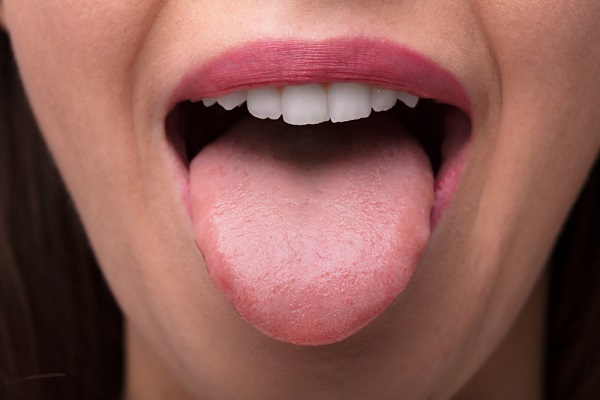
Image via Shutterstock
Most known taste bud cells can register a specific taste—bitter, sweet and unami; sour or salty individually.
However, scientists have discovered multi-tasking taste cells that are able to spot sweet, sour, umami and bitterness.
Taste buds are made up of three types of cells, which creates what we experience when we eat. Type I cells are known as support cells. Type II cells detect bitter, sweet and umami tastes while Type III cells detect sour and salty ones.
However, a new study led by Dr Kathyrn Medler at the University of Buffalo discovered a previously unknown subset of Type III cells, which are “broadly responsive” to all flavors.
These cells have two different signalling pathways, allowing them to respond to sourness one way, umami and bitter stimuli using another.
This discovery provides a new insight on how taste information is sent to the brain to be processed, pointing out that taste buds are more complex than they currently are.
“Taste cells can be either selective or generally responsive to stimuli which is similar to the cells in the brain that process taste information,” Dr Kathyrn Medler explained. “Future experiments will be focused on understanding how broadly responsive taste cells contribute to taste coding.”
The research is published in the journal PLOS Genetics.
[via Medical Xpress, opening image via Shutterstock]
Also check out these recent news


