
New Art Conservation Gel Can Erase Vandalism In Minutes Without Damage Beneath
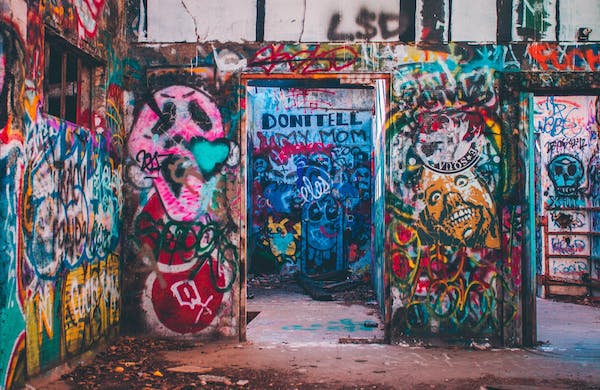
Image via Alex Montes / Pexels (CC0)
Time and time again, you’ll come across reports of cherished street art being defaced. Banksy’s murals seem to be a key target, given the wide coverage of the elusive artist’s stunts.
Restoring art is hard work, as evidenced by the numerous botched repair jobs-turned-memes you’ve seen online, but scientists believe they have devised a hydrogel that can remove graffiti within minutes, if not seconds, without tarnishing existing street art underneath.
With a mission to rescue street art from vandalism, the researchers, led by Michele Baglioni of the University of Florence in Italy, have developed a water-based cleaning product made up of a network of long polymer molecules that do not spread nor change shape.
This means that, unlike jam or hair gel, the molecules in this hydrogel maintain a fixed shape. Conservationists are thus given “very fine” control over their work area, as only minuscule amounts of liquid will seep into the surfaces. Street art that should remain will remain.
Its fixed structure sets this hydrogel apart from existing gels used in art conservation, since it “[does] not leave residues on the surface they clean,” Baglioni explained in a statement obtained by NewScientist.
The hydrogel, just a few microns in thickness, holds a cleaning fluid mainly composed of water, as well as nano-sized organic solvent droplets and surfactant materials that act like detergent.
When applied onto vandalized walls, the formula causes the defaced areas to swell for easy removal.
It is developed to target three types of polymers commonly found in paint: acrylic-, vinyl-, and alkyd-based polymers.
The duration it takes to wipe off graffiti with the hydrogel depends on how thick the layer is. Some markings will take a few seconds, while others will require up to a few minutes. It is advisable to test the gel on a small part of the graffiti first, as the way it reacts varies according to the project.
The research was presented at a meeting of the American Chemical Society on Tuesday.
[via NewScientist, cover image via Alex Montes / Pexels (CC0)]
Also check out these recent news


