
Windows 11 For Mac Is Being Developed As We Speak
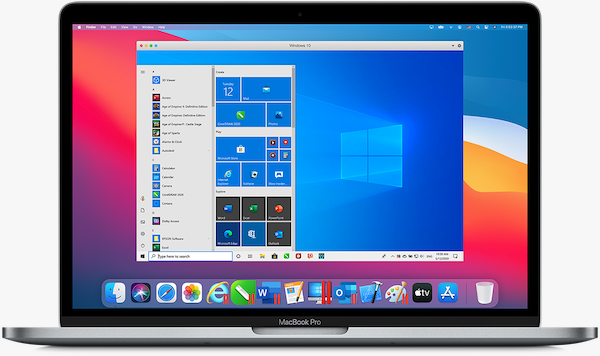
Image via Parallels
Just a week after Windows 11 was unveiled by Microsoft, cross-platform virtualization software Parallels has reported that it is striving to bring the new update to macOS.
In April, Parallel’s update brought with it Apple Silicon and M1 chip support, alongside performance and power use improvements. With this boost, the company is equipped to start its next move: delivering the freshly updated Windows software.
Nick Dobrovolskiy, Parallels’ SVP of Engineering and Support, told iMore that the team “will surely do everything that’s possible to make it happen.” Currently, the software has over seven million users, a number set to grow after Apple disclosed that the switch to Apple Silicon would indeed be the end of Boot Camp, an alternative method of running Windows on Macs.
Virtualization software divides parts of standard hardware for an individual computer, such as its processors and memory, into virtual computers, or virtual machines (VMs). This allows for a more flexible method of using traditional physical computing hardware, therefore making it more efficient and scale-friendly for enterprises and users who only need certain resources at certain times.
While no specific release date has been confirmed yet apart from the vague “future Parallels Desktop updates,” it is known that Parallels is currently being tested on the macOS Monterey Beta while being optimized for Big Sur, running version 16.
[via 9to5Mac, image via Parallels]
Also check out these recent news


