
Machu Picchu Might Be Older Than Historians Had Thought, Teeth & Bones Show
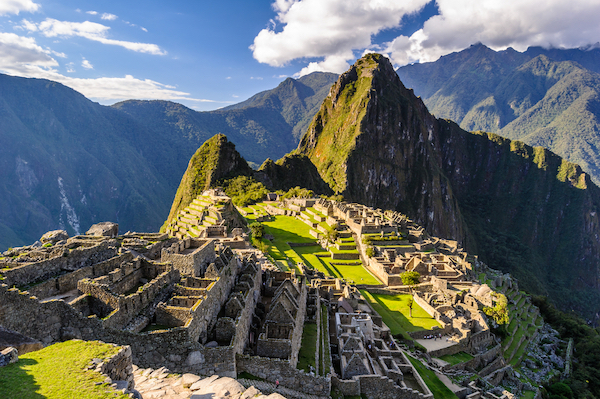
Image via Shutterstock
Research led by Yale anthropologist Richard Burger has revealed that Machu Picchu, Peru, is older than what was previously believed. The Spanish colonial records from which information about the Incan Empire’s history was gleaned now appear to be decades off.
The famous 15th-century Inca site was thought to have been built after Pachacuti seized power in 1438, likely around 1440 or even 1450. However, the research indicates that Machu Picchu was active between 1420 and 1530, ending around the time of the Spanish conquest. This indicates that previous beliefs were off by at least 20 years.
To come to these findings, which were published in Antiquity, the team utilized accelerator mass spectrometry (AMS), an advanced form of radiocarbon dating. They dated bones and teeth recovered at the estate of Inca Emperor Pachacuti during the early 20th century, on the eastern face of the Andes Mountains.
The remains had most likely belonged to attendants assigned to the royal estate. They didn’t indicate evidence of involvement in physical labor, meaning that the attendants were most probably only there when the site functioned as the country palace, instead of when under construction.
“Until now, estimates of Machu Picchu’s antiquity and the length of its occupation were based on contradictory historical accounts written by Spaniards in the period following the Spanish conquest,” says Burger, Professor of Anthropology at Yale, in a statement.
“The results suggest that the discussion of the development of the Inca empire based primarily on colonial records needs revision,” he continues. “Modern radiocarbon methods provide a better foundation than the historical records for understanding Inca chronology.”
[via Artnet, cover image via Shutterstock]
Also check out these recent news


