
Hurricane Ida Is So Powerful, It Reversed The Course Of Mississippi River
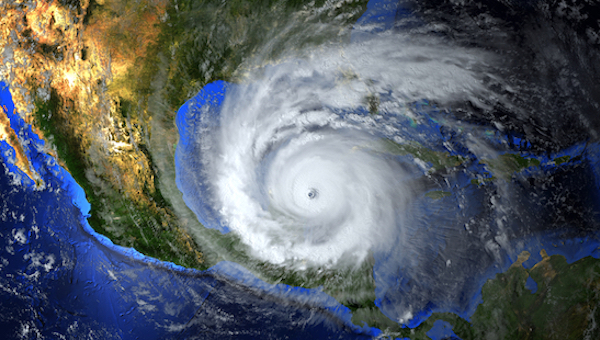
Image via ID 140342494 © Mariusz Burcz | Dreamstime.com
Hurricane Ida, which is hitting the Gulf Coast hard, has forced evacuations in New Orleans and its surrounding coastal region, right on the eve of Hurricane Katrina’s 16th anniversary.
And just how strong could this storm be? Well, Ida has managed to reverse the course of the Mississippi River.
On Sunday, 29 August, the Mississippi River temporarily flowed in the opposite direction from south or north as the storm grew even stronger. As per CNN, it’s expected to become at least a Category 4 storm before landfall.
According to Gizmodo, this phenomenon has occurred before in 2018, when river levels surged during Hurricane Florence, which hit the Carolina coasts.
The reversal has contributed to the compound flooding, which happens when a storm surge pushes water inland where it’s raining. As the water is concentrated ashore, there’s nowhere for the rain to drain away.
In the days prior to Ida’s arrival, the Mississippi River was said to be discharging 350,000 cubic feet of water per second, with water moving upstream at the staggering rate of 40,000 cubic feet per second. The storm is expected to push another 16 feet of storm surge as it moves inland, as per Gizmodo.
This could cause plenty of problems for residents in affected areas, especially with The National Hurricane Center noting that Ida’s “forward motion has slowed.” As a hurricane slows, rain will begin pouring repeatedly over a particular location, which tends to lead to even more flooding.
As of now, the storm is reportedly still moving at 130 mph, not showing any signs of its strength dissipating. And while the Mississippi River has managed to correct its course, Hurricane Ida has already left tons of damage in its wake.
[via Gizmodo and CNN, cover image via ID 140342494 © Mariusz Burcz | Dreamstime.com]
Also check out these recent news


