
Richard Branson’s Maiden Spaceflight Flew Off Course, Under Investigation
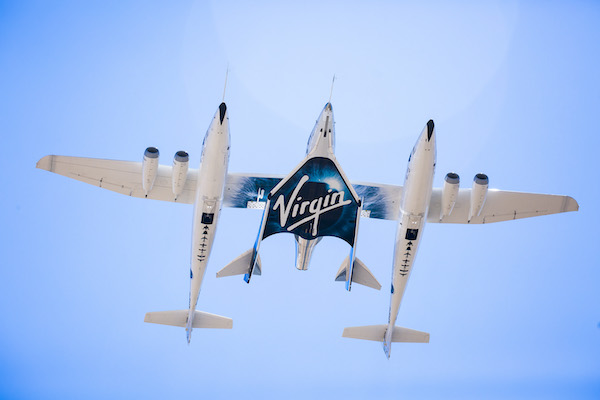
Image via Virgin Galactic
New reports have emerged that Virgin Galactic’s maiden spaceflight, which saw founder Richard Branson and crew reach space, is being investigated by the Federal Aviation Administration, as it may have flown out of its designated airspace.
As VSS Unity spacecraft’s engine was nearing the end of its burn, a red light flashed on the console, alerting the crew to an “entry glide-cone warning.”
According to Nicholas Schmidle for The New Yorker, the pilots had to make a split-second decision if to cut the rocket’s motor, or change the trajectory of the spacecraft.
However, instead of killing the motor and bringing the spacecraft back to Earth, it chose a trajectory that was outside of its designated airspace. Schmidle said the pilots had known if they didn’t hit the 50-mile mark, Branson wouldn’t have been able to beat Jeff Bezos into space, who took off just a couple weeks later.
As per Space.com, The New Yorker report is said to be based on interviews with eight anonymous officials from Virgin Galactic, who were “knowledgable about the program.”
A company spokesperson told Ars Technica that it didn’t inform the FAA about the one-minute-and-42-second diversion, with the Administration now looking into the matter. This could potentially delay Virgin Galactic’s next takeoff, as it prepares to carry several members of the Italian Air Force later this month.
Notably, this diversion also highlighted the ways the spaceflight differed from Blue Origin’s or SpaceX’s. Instead of using automated launch and control systems like the latter two, VSS Unity relied heavily on the skills of its pilots to manually control the spacecraft.
In response to the reports, Virgin Galactic released a statement saying it disputed “the misleading characterizations and conclusions in the New Yorker article published today.”
“Although the flight’s ultimate trajectory deviated from our initial plan, it was a controlled and intentional flight path that allowed Unity 22 to successfully reach space and land safely at our Spaceport in New Mexico. At no time were passengers and crew put in any danger as a result of this change in trajectory,” the statement said, as per Ars Technica.
The statement also highlighted that FAA representatives were present in the control room during the spaceflight, and stayed for post-flight debriefs.
While it’s unclear if Virgin Galactic will face any penalties from authorities, this news places a damper on the company’s first success, especially as it plans to start commercial operations in the future.
[via Ars Technica, cover image via Virgin Galactic]
Also check out these recent news


