
Boy Wins Prize For Bug Specimen, And Now The USDA Is Worried It Even Exists
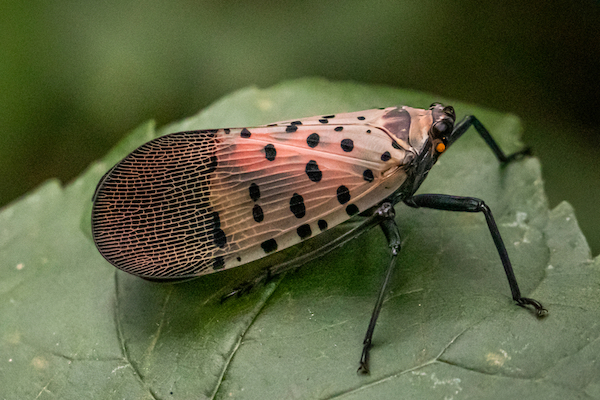
Image via ID 179066555 © Cwieders | Dreamstime.com
At a state fair in Kansas, a young boy correctly identified the insect he submitted from his bug collection and proudly won a blue ribbon.
Then, the specimen was flagged by the USDA’s Animal and Plant Health Inspection Service and activated a federal inquiry.
Identified as a spotted lanternfly, the insect turned out to be part of a highly invasive species that had, before now, not been detected in the country aside from the havoc it wreaked in southeast Indiana in recent years.
Although equipped with wings, spotted lanternflies can’t fly very far. However, they have the reputation of “hitchhikers,” and people are often encouraged to check their cargo before transport to ensure they don’t unwittingly give these insects a free ride.
These insects are considered nothing more than pests, as they feed on trees and fruits before excreting waste that leads to fungal growth. This then results in irreversible damage to agriculture as it blocks plants from photosynthesizing.
If they continue to spread, spotted lanternflies could severely destroy the grape, orchard, and logging industries.
So, their sudden appearance around 850 miles from the nearest recorded infestation in the country sounded the alarm.
According to the Washington Post, the boy had been collecting, positioning, and labeling bugs throughout the year.
When he found this one dead at his home in Thomas County, Kansas, in May, he just picked it up and treated it like any other.
Explained by Erin Otto, the national policy manager for the Animal and Plant Health Inspection Service, the specimen was “worn and desiccated” by the time the boy found it. Since adult lanternflies are known to begin emerging in July, it suggests this one died last year.
The presence of one specimen doesn’t equate an infestation, Otto said. However, the county will continue to keep an eye out for more, and “work quickly” to destroy them.
Wade Weber, state leader for the Kansas 4-H program and fair, described this event as a good, albeit pretty extreme, example of what the fair and its exhibits set out to do: sharing knowledge with others.
“It’s the excitement of a kid learning about their world, putting it on display, and sure enough, they discovered something that adults were like, ‘Wow, this is really important for us to be aware of,’” Weber told the Washington Post. “He has alerted us to a threat we weren’t aware of, and we’re really thankful.”
And if you happen to find one, there’s no need to be diplomatic. “Kill it! Squash it, smash it... just get rid of it,” Pennsylvanian officials plead.
[via The Guardian, image via ID 179066555 © Cwieders | Dreamstime.com]
Also check out these recent news


