
Green Paper Used To Be Laced With Deadly Arsenic—Here’s How Libraries Handled It

Pages from Dr Robert M. Kedzie’s book ‘Shadows from the walls of death’ (1874). Images via US National Library of Medicine (public domain)
You might have been tempted to paint your walls green in 2017 when it became the Color of the Year, but in the Victorian era, another shade of green was in the, for lack of a better word, limelight (or green)—and far more lethal.
The Victorians took great pleasure in adorning their homes in colorful wallpaper—the more vibrant the pattern, the more it symbolized wealth. Per a documentary published by the Absolute History YouTube channel, this was during a period when gaslighting (the lighting, not the psychological manipulation technique) became commonplace.
With their living spaces well-lit, people wanted to show off all the colors they were able to afford. This included green wallpaper, which contained arsenic.
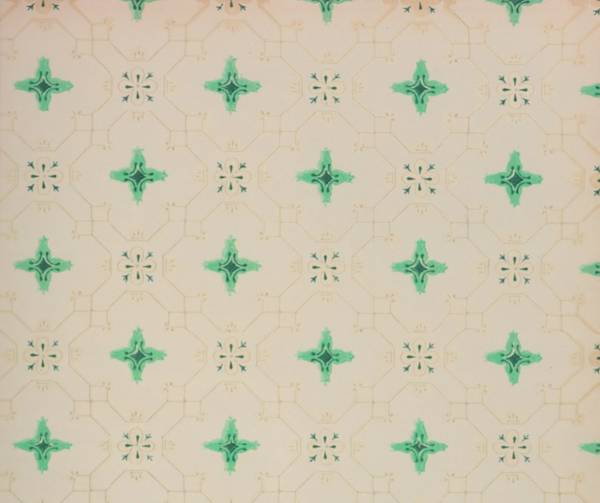
A page from Dr Robert M. Kedzie’s book ‘Shadows from the walls of death’ (1874). Image via US National Library of Medicine (public domain)
To produce the vivid pigment, arsenic would be mixed into copper—a practice famously used to create a brilliant emerald hue.
Although the Victorians were aware that the chemical was poisonous when ingested, it wasn’t common knowledge that arsenic—exposed in any manner—was deadly no matter what. Wallpaper decorated in green released microscopic dust particles that would enter the bloodstream and slowly kill the recipient.

A page from Dr Robert M. Kedzie’s book ‘Shadows from the walls of death’ (1874). Image via US National Library of Medicine (public domain)
In a campaign to warn the public about the dangers of arsenic-pigmented papers, Dr Robert M. Kedzie—a member of Michigan’s first Board of Health, a chemistry professor at Michigan State Agricultural college (now Michigan State University), and a former American Civil War Union surgeon—created a precautionary book that was not much safer to lick than the walls at home.
100 copies of Shadows from the walls of death, printed in 1874, were distributed to public libraries, mostly containing the poison papers.
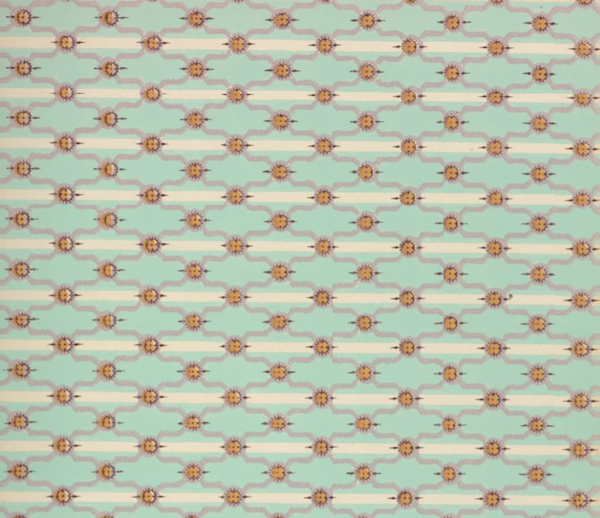
A page from Dr Robert M. Kedzie’s book ‘Shadows from the walls of death’ (1874). Image via US National Library of Medicine (public domain)
As Atlas Obscura reports, the majority of the book’s pages were filled with real samples of deadly wallpaper sourced from common merchants. In total, there were 86 arsenic-laced patterns, and touching any of them could kill someone.
Dr Kedzie detailed in the text that many women would fall ill from a mysterious illness and rest in their aesthetically-pleasing, wallpapered bedrooms, clueless to the fact that they were breathing in “an air loaded with the breath of death.”
“And behold if the plague be in the walls of the house, with hollow streaks, greenish or reddish,” read the title page, a reference to a quote from the book of Leviticus.
“Then the priest… shall cause the house to be scraped within round about, and they shall pour out the dust that they scrape off without the city into an unclean place.”
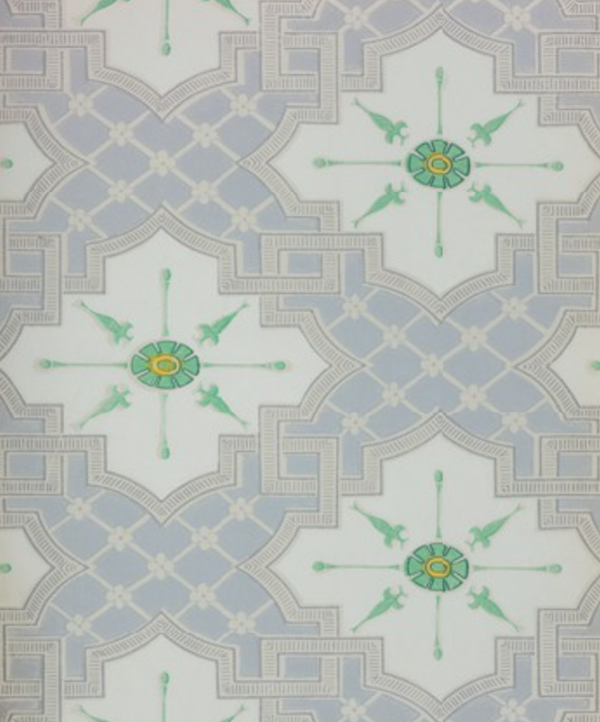
A page from Dr Robert M. Kedzie’s book ‘Shadows from the walls of death’ (1874). Image via US National Library of Medicine (public domain)
Luckily, only four copies of the volume remain, as most of the 100 books were destroyed by libraries for fear of the destruction it could befall on readers.
One of the surviving units, owned by Michigan State University (MSU), previously mandated readers to put on special gloves before touching the book. “There were restrictions on how long you could have it out, and you had to be very careful—don’t lick your fingers and turn the page,” quotes Atlas Obscura from Andrew Lundeen of the MSU’s Turfgrass Information Center.
Since 1998, this book has been sealed up in an ominous green box, with a layer of plastic protecting each page. The National Library of Medicine (NLM), as of 2018, is working to do the same with its copy.
The NLM itself has digitized the entire forbidden book for everyone around the world to peruse without harming themselves. Even this process was handled with extreme caution—per Dr Stephen Greenberg, head of the rare books and early manuscripts section at the History of Medicine division, everyone charged to take on the task had to wear a protective suit with a “fume hood” to capture dangerous gases.
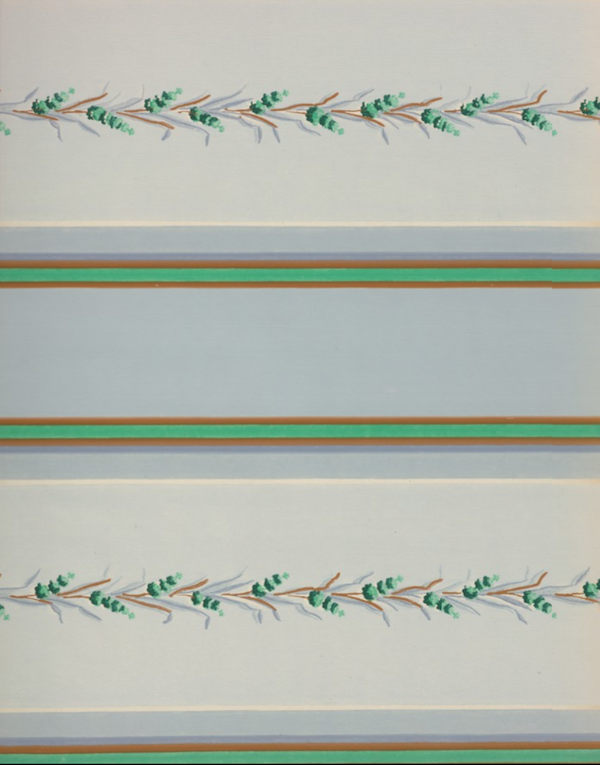
A page from Dr Robert M. Kedzie’s book ‘Shadows from the walls of death’ (1874). Image via US National Library of Medicine (public domain)
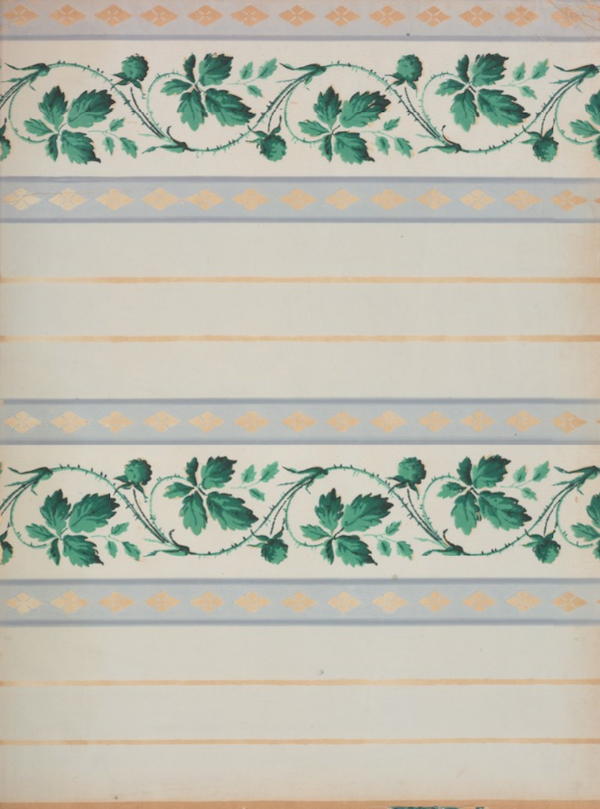
A page from Dr Robert M. Kedzie’s book ‘Shadows from the walls of death’ (1874). Image via US National Library of Medicine (public domain)
[via Atlas Obscura and Absolute History, images via US National Library of Medicine (public domain)]
Also check out these recent news


