
‘Camel-ccinos’ & ‘Camelattes’ Enjoy A Hump In Demand In Kenya
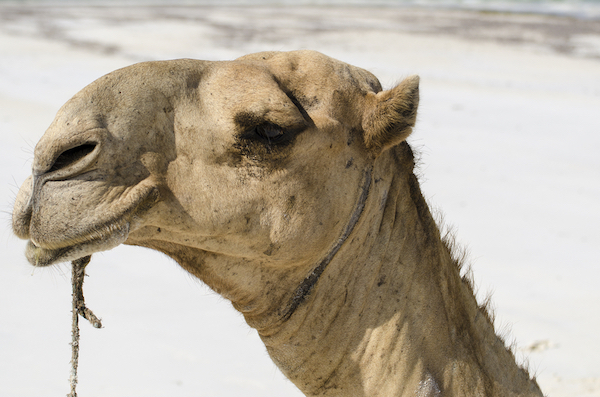
Photo 24626761 © Pixelife | Dreamstime.com
Coffee is having a moment in Kenya, a country known for its tea trade, but it’s not because of the beans. Drinkers are, instead, all about camel milk.
CNN Travel has just profiled CJ Restaurant, a popular café in downtown Nairobi that’s seeing a bump in orders for ‘camel-ccinos’ and ‘camelattes’. Until recently, camel milk was pretty much a known secret between rural Somali people who grew up drinking it, but it now has its fans in a broader community of health nutritionists and gym trainers too.
Is camel milk the new superfood? Have a 'camelccino' and see what you think with me and @nc254 on @CNNAfrica Marketplace Africahttps://t.co/6zhucqNO5B pic.twitter.com/UcGxSGKeE9
— Briana Duggan (@brianaduggan) September 28, 2021
Omar Shariff, the café’s manager, divulges that more and more health-conscious customers are ordering camel-milk cappuccinos and lattes for the dairy’s supposed nutritional benefits. Per the UN Food and Agriculture Organization, camel milk contains thrice the amount of vitamin C in cow’s milk. Research also shows that drinking camel milk promotes production of antioxidant enzymes, and that consuming it every day can lower the insulin requirement in people with Type 1 diabetes, Live Science reveals.
Considering the spike in demand for camel byproducts, the café intends to bring in meal items like camel burgers too.
Notably, the camel population in Kenya has been on the rise, as well. In 1999, there were about a million of the hoofed mammals roaming the country, but the number has since
nearly quadrupled.
Plus, the camel’s ability to withstand extremely dry weather lines up with the Kenyan diet, as it can comfortably produce milk during droughts and provide locals milk when food supplies are low.
CNN Travel says camel milk is consumed in other parts of the world too, including Asia and Australia, and the growing interest for it—which has also driven up its prices internationally—has earned the milk the nickname “white gold.” Whereas cow’s milk can sell for about 50 cents per half-lifer in the US, camel milk can go for US$10 to US$20, David Hewett, a ranch manager at the Mpala Research Center in north-central Kenya, tells the news outlet.
White Gold Camel Milk, a top producer in camel milk in East Africa, is also embracing the boom and has pivoted into various camel-milk products like flavored milk and yogurt. The company produces about 500 liters of camel milk per day.
There are challenges of replicating this formula, though. Delivery and infrastructure limitations, coupled with the need for refrigeration in the heat, make it difficult to expand production on a larger scale.
And, of course, you might be wondering: What does camel milk taste like? It really depends on where the mammal is from. Healthline says that American camel milk is slightly salty, with a sweet and creamy taste; but the camel milk in the Middle East, and presumably in Kenya too, is nuttier and smokier.
The dairy variation is pretty versatile and can replace cow’s milk in almost all applications. Apart from coffee and tea, it’s said to work perfectly well in baked goods, sauces, soups, and even in pancake and waffle batters.
[via CNN Travel and Healthline, cover photo 24626761 © Pixelife | Dreamstime.com]
Also check out these recent news


