
First-Ever Vaccine For Most Aggressive Breast Cancer Heads To Human Trial
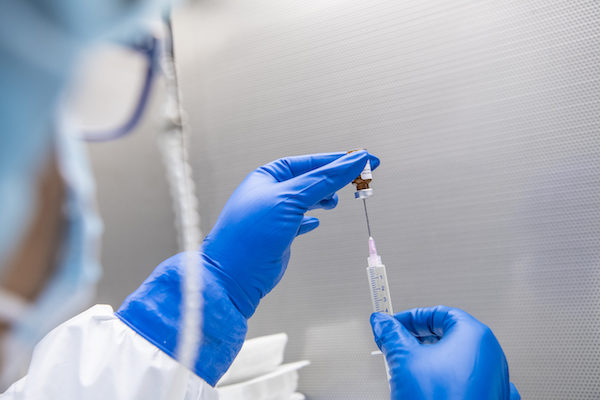
Image via Lisa DeJong / The Cleveland Clinic
Researchers are one step closer to rolling out a vaccine for the most fatal form of breast cancer, as scientists at The Cleveland Clinic have announced that the first-ever triple-negative breast cancer vaccine is heading to human trial.
At the moment, the aggressive disease doesn’t respond to hormone or drug therapies, and those likely to suffer from it can only prevent the illness by opting for a mastectomy. It accounts for 12% to 15% of all breast cancer diagnoses, and almost 25% of patients die within the first five years of finding out about the illness.
This is the first time a vaccine targeting triple-negative breast cancer has made its way to human trials, with most of its development being stuck at lab or animal research. According to Insider, the breakthrough comes as the US Food and Drug Administration (FDA) approved the shot for human use.
How it works: The vaccine targets a-lactalbumin, a protein that occurs when a person is lactating. This component has been discovered to appear along with the disease, and the vaccine will be used to trigger the immune system to suppress emerging breast tumors expressing the particular protein.
The clinic’s first trial, which will include 18 to 24 patients, will only involve early-stage survivors, who are at the highest risk for recurrence. They will receive three shots, each spaced two weeks apart. Doctors will start with a low dose to first monitor patients’ symptoms and side effects.
Next, the scientists will work on larger studies with more participants, and up the dosage of the vaccine. They hope they’ll eventually be able to administer the vaccine to those at high risk for contracting the disease, such as people with certain gene mutations.
The study is scheduled to be completed by September 2022, and is funded by the US Department of Defense.
“Long term, we are hoping that this can be a true preventive vaccine that would be administered to healthy women, to prevent them from developing triple-negative breast cancer, the form of breast cancer for which we have the least effective treatments, said Dr G. Thomas Budd from The Cleveland Clinic’s Taussig Cancer Institute.
[via Insider, cover image via Lisa DeJong / The Cleveland Clinic]
Also check out these recent news


