
A Popular Crystal On Instagram Could Be Contributing To Taliban Money
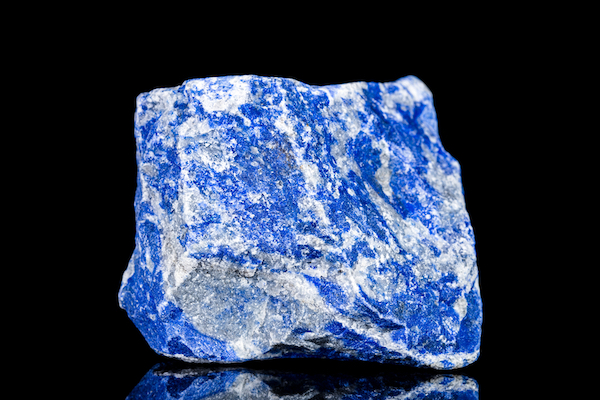
Photo 154708855 © Photo 154708855 © Miriam Doerr | Dreamstime.com
With more people turning to alternative healing therapies, the crystal market has been snowballing, most evidently on Instagram. Among these gems is the lapis lazuli, which has inspired millions of posts (1.3 million are tagged with #lapis, and another 1.3 million feature #lapislazuli in their captions) on the social media platform.
The pure-blue rock is most coveted for its deep intensity. Symbolically, it represents truth and friendship, and is used to invite love, harmony, and protection into relationships. According to an in-depth profile by Teen Vogue on the semiprecious stone’s origins, lapis lazuli makes up the vivid blue pigment in historical paintings depicting the cloak of the Virgin Mary. So, brilliant color aside, it’s apt that its name translates to mean “sky stone” or “heaven stone.”
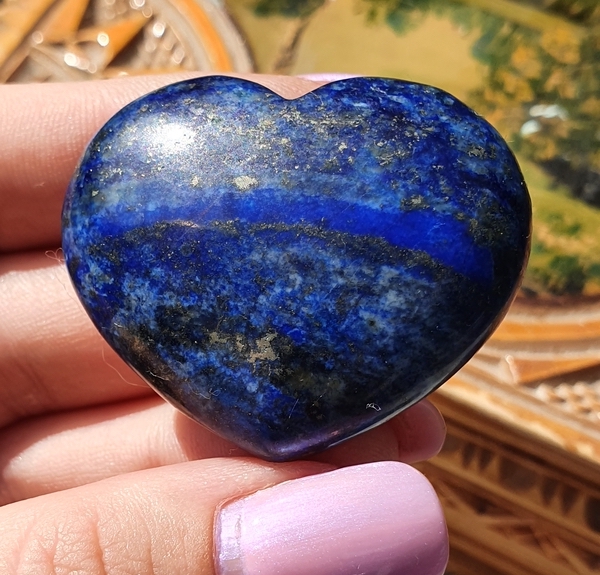
Photo 154708855 © Gems World | Dreamstime.com
The stone’s passage around the world, unfortunately, isn’t exactly propelled by divine intentions. According to the Associated Press in 2016, about 70% of proceeds made from the sale of lapis lazuli from Afghanistan—where the gem is almost exclusively found—go to the Taliban instead of the government. Due to the demand for lapis lazuli, illegal mining and smuggling are rampant, making it a so-called “conflict mineral.” The Taliban isn’t just controlling access to those mines but also getting cuts from illegal miners too, Teen Vogue notes.
“I think that actively funding the Taliban… [is] probably not a good idea,” says healing crystal shop owner and ethical sourcing advocate Julie Abouzelof in an interview with the publication. Abouzelof has a collection of these stones at home and regretfully can’t reverse their purchase, but she has refused to sell them ever since discovering their dubious connections.
As the crystals have traveled far, independent sellers cannot ascertain if they’d benefit the Taliban. Some maintain that since they’ve already purchased the stones for retail, the damage has already been done, Teen Vogue reports.
At the very least, large businesses are expected to uphold more responsible practices. Big companies that sell diamonds in 82 countries, the US included, participate in an initiative called the Kimberley Process, which works to impede the flow of conflict diamonds by encouraging transparency in the market and the enforcement of supply regulations.
[via Teen Vogue, images via various sources]
Also check out these recent news


