
UK Government Officially Recognizes Crabs, Octopuses As Sentient Beings
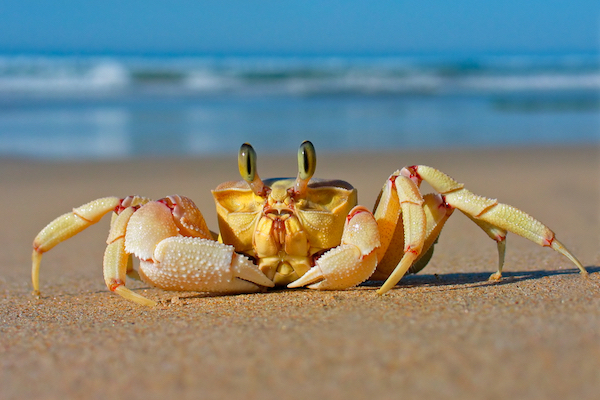
Image ID 1377121 © via Ecophoto | Dreamstime.com
Animal rights activists will be thrilled to hear that the UK government has officially added cephalopods (including octopuses, squids, and cuttlefish) and decapods (including lobsters, crabs, and prawns) to its new welfare bill, based on “strong evidence” that these invertebrates are sentient beings.
The Animal Welfare (Sentience) Bill, which was introduced in May, already recognizes all vertebrates as sentient, and has now expanded its definition to include cephalopods and decapods based on new research.
Findings from the London School of Economics and Political Science concluded that this group of marine life, which has “complex central nervous systems, one of the key hallmarks of sentience,” are able to feel “pain, pleasure, hunger, thirst, warmth, joy, comfort, and excitement.”
According to Fast Company, most of the British public had already considered these sea animals are sentient. A poll performed earlier this year found that most respondents “agreed that lobsters (83.03%), octopuses (80.65%), and crabs (78.09%) can feel pain.”
Nine in 10 went as far as to say that should evidence surface to support this fact, society “should be careful about potentially harming” these creatures.
“The Animal Welfare (Sentience) Bill provides a crucial assistance that animal wellbeing is rightly considered when developing new laws. The science is now clear that decapods and cephalopods can feel pain, and therefore it is only right they are covered by this vital piece of legislation,” said Animal Welfare Minister, Lord Zac Goldsmith.
[via Fast Company, cover image via Ecophoto | Dreamstime.com]
Also check out these recent news


