
Breakthrough 3D-Printed Prosthetic Eye To Be Tested In Hospital
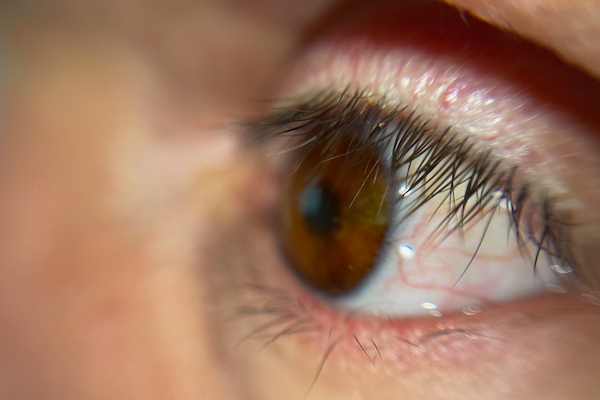
Image via Moorsfield Eye Hospital NHS Foundation Trust
For individuals who require prosthetic eyes, the process can often be drawn-out and frustrating. According to New Atlas, a patient would first have to get a mold made of their eye socket (which we can’t imagine is a pleasant experience) before the fake eye is crafted by hand.
Now, with the introduction of a new 3D-printing method, invented by the Fraunhofer Institute for Computer Graphics Research in Germany and Ocupeye in the UK, the solution to creating prosthetic eyes could be quicker and more realistic than ever before.
How it works: A modified Tomey ophthalmic scanner will be used to scan the patient’s eye socket in a non-invasive manner, before the data is compiled with a color-calibrated picture of the person’s intact eye. This creates a 3D model of the prosthetic eye, which will then be 3D-printed using biocompatible materials.
Researchers working on the project said the 3D-printed eye looks more realistic than the usual handmade models, and by using machines, one can be produced in a much shorter amount of time for the prosthesis recipient.
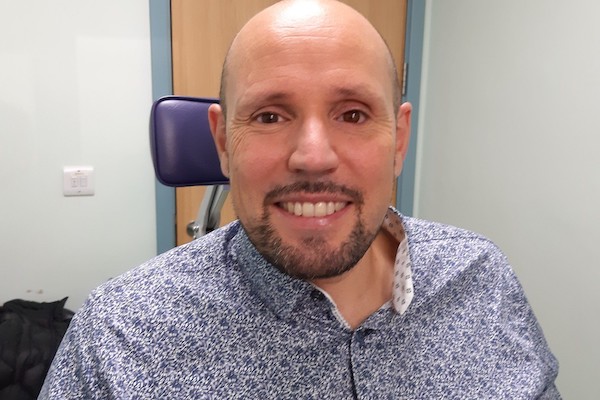
Image courtesy of Professor Mandeep Sagoo / Moorfields Eye Hospital
This breakthrough technology will soon be heading to trial at Moorfields Eye Hospital in London, where 40 patients will get a go at their own 3D-printed prosthetics. Following the fitting of the fake eye, doctors will follow up with patients over the course of a year to ensure that the prosthetic is working as intended with no side effects.
If the trial is successful, it could potentially mean that recipients of prosthetic eyes would have shorter waiting times and less expensive options. The companies posit that just one 3D printer could produce up to 10,000 prostheses annually.
“We hope the forthcoming clinical trial will provide us with robust evidence about the value of this new technology, showing what a difference it makes for patients. It clearly has the potential to reduce waiting lists,” said Moorfields’ Professor Mandeep Sagoo.
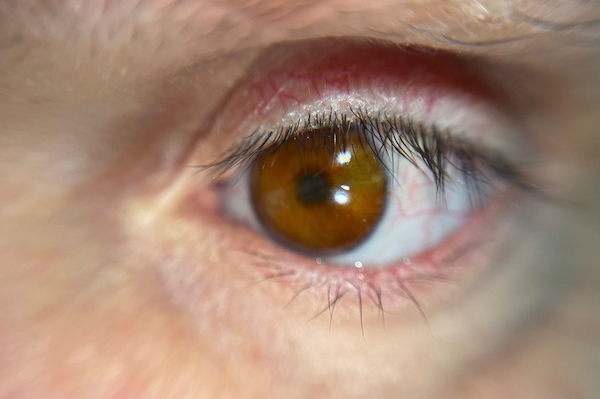
Image via Moorsfield Eye Hospital NHS Foundation Trust
[via New Atlas, images via Moorsfield Eye Hospital NHS Foundation Trust]
Also check out these recent news


