
Debt Collectors Can Now Slide Into DMs On Social Media Platforms
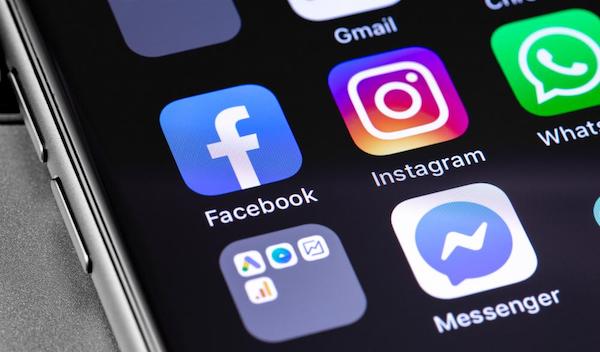
Image via Primakov / Shutterstock.com
Starting today, when you get a notification for a friend request on Facebook or Instagram, it’s best to run a background check to make sure it isn’t a debt collector.
New legislation passed by the Consumer Financial Protection Bureau (CFPB) now allows debt collection agencies to email, text, or direct message consumers on social media to seek repayment.
The new rules come as part of an update to the Fair Debt Collection Practices Act, which had remained unchanged for over four decades.
“We are finally leaving 1977 behind and developing a debt collection system that works for consumers and industry in the modern world,” said the former CFPB Director, Kathleen L Kraninger.
Industry professionals have praised the move as well, saying it was time the old methods were done away with.
“Consumers in the collections process deserve to be on a level playing field with others in the financial services marketplace with recognition of their preference to use email and text messaging over other outdated methods, such as faxes as outlined in the current law,” said Mark Neeb, the CEO of ACA International, a trade association for collectors.
According to NPR, when debt collectors contact consumers online, they’ll have to be upfront in identifying themselves as part of the agency.
In addition, they must offer borrowers the option of opting out of being contacted online, and any messages sent must be done in private. This means collectors won’t be able to post on someone’s public wall or page to ask for repayment.
However, not everyone is so keen about the change, with consumer advocates pointing out that consumers could miss out on important information if they don’t check their emails or messages regularly.
“The rules are really disappointing and concerning in a number of ways,” said April Kuehnhoff, a National Consumer Law Center attorney.
Additionally, Kuenhnhoff felt that consumers should be given the choice to opt into online messages instead of having to opt out when contacted by a collector. She pointed out that scammers could potentially use debt collection as a new way to swindle consumers through social media.
“I have actually already gotten my first spam debt collection email even before the new rules took effect. So certainly we should anticipate more bad actors who are trying to scam people into paying them money on alleged debts,” she explained.
She advised consumers not to click on unknown links, and to report any fraudulent debt collectors to the CFPB.
[via NPR, cover image via Primakov / Shutterstock.com]
Also check out these recent news


