
Eco-Friendly Plastic Is Made From... Salmon Sperm DNA, And There’s Already A Mug
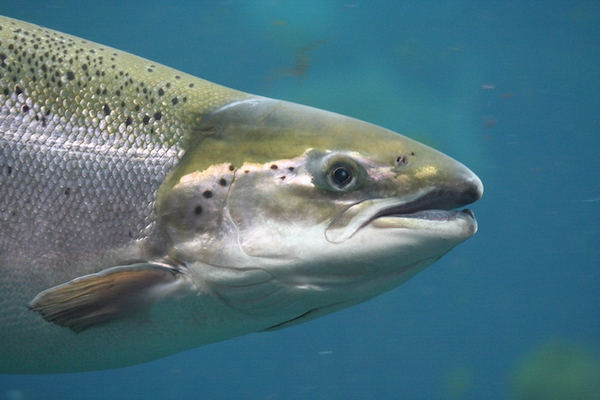
Image ID 6121333 © via Martyn Unsworth | Dreamstime.com
Scientists in China have invented a new form of eco-friendly plastic from a peculiar source: salmon sperm. The alternative material is created from two strands of the fish’s DNA, combined with a chemical derived from vegetable oil.
This results in a gooey gel-like substance, aptly named hydrogel. The findings of this study were recently published in the American Chemical Society Journal.
The hydrogel—after being freeze-dried—can be molded into different shapes, just like regular plastic. The researchers have successfully formed puzzle pieces, mugs, and even a plastic DNA model using a process known as aqua-welding, as per Gizmodo.
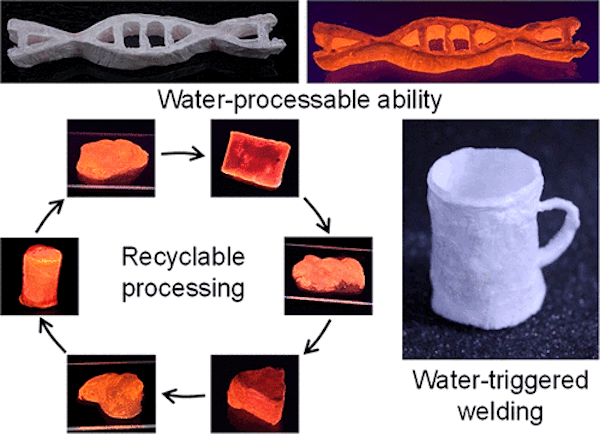
Image via Han et al / Journal of the American Chemical Society
As most of us know, plastic is incredibly harmful to the environment, especially as it is non-biodegradable and takes centuries to break down once placed in a landfill. On the other hand, according to Vice, the biomaterial emits 97% less carbon emissions, making it a far more eco-friendly option.
Once the bioplastic is no longer in use, DNA-digesting enzymes can be added to the object to break down the material. Alternatively, submerging the substance into water will turn it back into the hydrogel, which can be then molded into a different item. This does mean that the biomaterial can’t be used to make objects such as bowls to hold liquids, as per The Smithsonian Magazine.
Despite this drawback, the scientists said hydrogel is the most sustainable material available. While other biodegradable plastics made from algae, cornstarch, or sawdust have a lower carbon footprint than usual plastics, the manufacturing of such materials still requires the use of fossil-fuel energy.
In fact, some bioplastic manufacturers have been found to have added petroleum to their mixes, as per a study done by GNS Science, a New Zealand-based research firm. According to EuroNews Green, hydrogel differs from the other options as it’s derived from DNA strands, which means it can be formed from other sources than salmon, such as plants or bacteria.
As of now, there’s no obvious alternative that fulfills all the criteria of regular plastic, though with scientists inventing more and more alternatives, we could potentially make use of different biomaterials as eco-friendly alternatives based on their unique characteristics.
[via The Smithsonian Magazine, images via various sources]
Also check out these recent news


