
80-Apartment Building Opens For Homeless, Especially From Indigenous Households
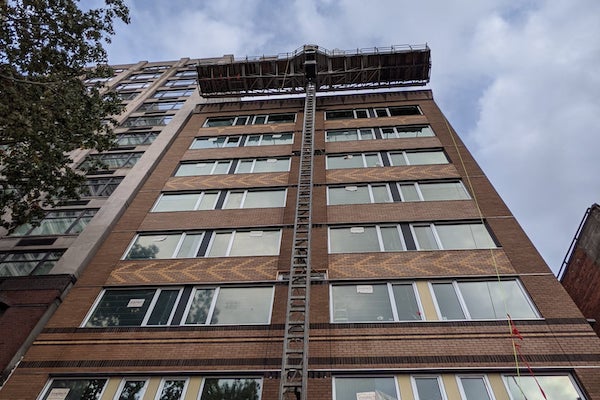
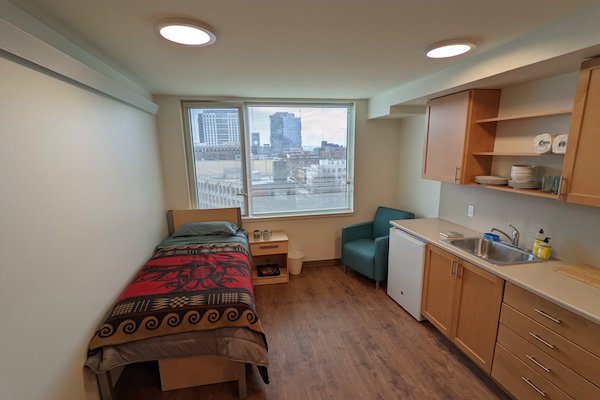
Chief Seattle Club, a Native-led housing and human services agency, has officially opened the doors to its brand-new 80-unit apartment building located in Pioneer Square.
According to The News Tribune, the housing development, which is named ?ál?al, meaning “home” in the Lushootseed language, will be home to 96 residents.
“Some of our Chief Seattle Club members have not bad a permanent place to call home for more than a decade. ?ál?al is their first real home in a long time,” said Executive Director, Derrick Belgarde.
“It’s a place to live and practice their culture, to sing and bead, and gather together with other Native people,” he added.
Indian Country Today reported that it is the only housing project in the city catered towards low-income and homeless Indigenous folk, who make up almost 15% of the area’s homeless population, despite making up only 1% of the city’s demographic.
Belgarde explained that the Native population in the region faced additional challenges, such as battling against hundreds of years of oppression and trauma from forced relocations.
“This is really just scratching the surface on what our community needs, our Native community. We have a lot more development to do and a lot more units to build to make sure our community is safe,” he remarked.
The building, which will span nine stories, will include a café serving traditional Indigenous foods, and a 3,000-square-foot clinic with a traditional healing space offering medical, dental, pharmaceutical, and behavioral care.
To qualify for the housing project, residents will have to earn less than 50% of the area’s medium income at US$40,500. 10 of the units will be specially reserved for military veterans.
Families without any income won’t be required to pay a monthly rent, though others with jobs will pay between US$216 and US$566 a month.
The Chief Seattle Club hopes projects like ?ál?al will allow Native members who have struggled with homelessness and addiction to get back on their feet, and focus on healing while living in a safe environment.
“What this does is actually stabilize our people a little bit, so that we can actually start doing that healing, that more deeper trauma work,” said Belgarde.
“That meaningful work to actually start healing spirits, healing bodies, healing minds and getting our community together to thrive again.”
[via The News Tribune and Indian Country Today, images via Chief Seattle Club]


