
Van Gogh’s Changing Mental State Explored In New Exhibition Of Self-Portraits
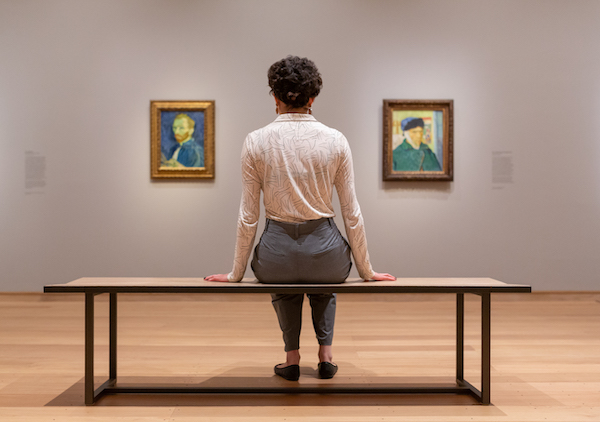
A unique peer into the psyche of Vincent van Gogh—from his most assured self to his most volatile—is being portrayed at a new exhibition hosted by the Courtauld Gallery in London, said to be the largest showcase of the post-Impressionist painter’s self-portraits in 25 years.
With long-separated paintings placed side by side at the Van Gogh: Self-Portraits retrospective, tracking the artist’s morphing styles and use of color, visitors get a sense of his state of mind in the leadup to his death.
It reunites 16 of 35 known self-portraits, in addition to graphite, pen, and ink sketches, that date back to the years 1886 to 1889. Curated by Karen Serres, the show’s pieces include loans from art establishments around the world. Excluded works are either hidden in the homes of private collectors, lost in the past, or don’t help to tell a story as they are too repetitive, a review by the Guardian details.
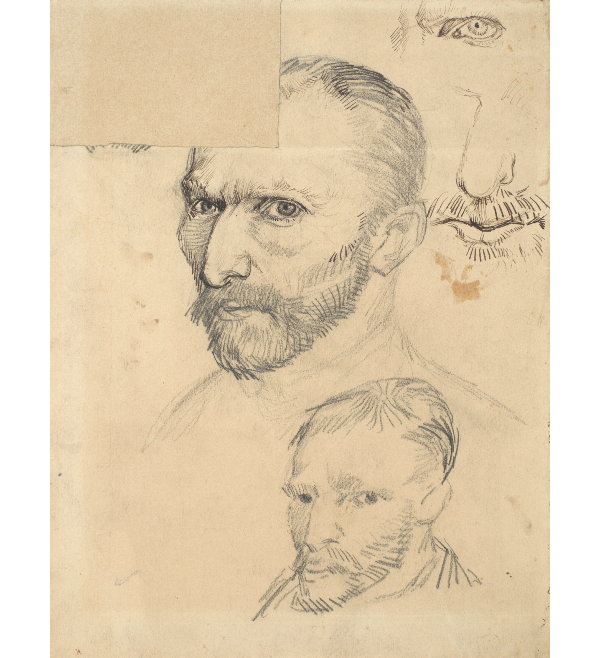
Van Gogh died shortly after this three-year window in 1890. It is believed that the Dutch artist took his own life.
“If I could have worked without this accursed disease, what things I might have done,” the artist penned in one of his final letters, via Artnet News.
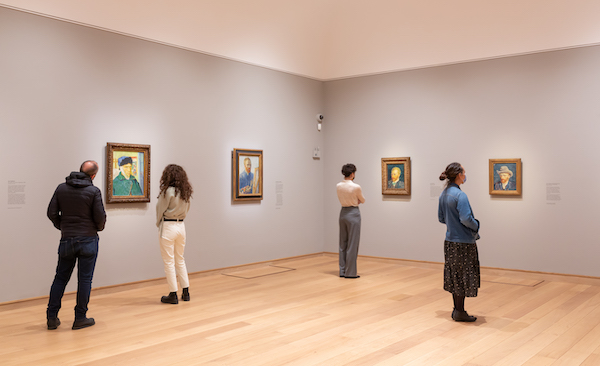
A pair of self-portraits from late August and early September 1889 (both shown directly below) is finally displayed in the same place for the first time in 130 years. They were painted just a week from each other but bear little resemblance to one another.
View this post on Instagram
According to the gallery, the first was created when Van Gogh was in deep mental distress, while the latter was painted “as he was recovering.”
“Van Gogh made it clear that being able to paint was key to his healing process,” the Courtauld Gallery described. The intimate showing stays open through May 8.
View this post on Instagram
View this post on Instagram
View this post on Instagram
[via Artnet News and The Guardian, images via the Courtauld Gallery]


