
An NFT Of An Actual Trash Can Sold For $252K, And Is Now Worth Almost $95M
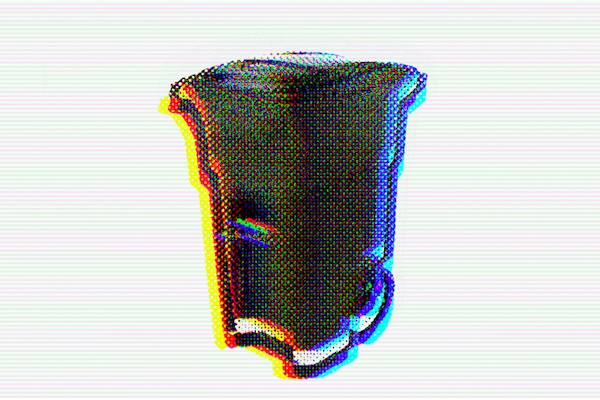
A non-fungible token depicting a literal trash can sold for US$252,000, and, at the time of writing, it’s worth almost US$95 million. No, this isn’t a joke. It’s just another day on the NFT market.
Created by an artist who goes by the name of Robness, the artwork titled 64 GALLON TOTER depicts, well, a literal 64-gallon toter. A GIF of the product rotates ever so slightly, glitching with primary colors to create a psychedelic effect.
At first, Robness put his art up on the SuperRare marketplace but it was taken down for potentially violating copyright.
“It was kind of like rage art,” he tells AFP. “I was angry about some things. So I put that up, and it was removed. They thought I was taking Home Depot’s picture and breaking copyright.” But this decision was later reversed.
This might be the reason Robness is now a prolific supporter of “open-source artistry,” where anyone should be able to take an image and do what they want with it. “You can literally steal anything I made, copy and paste it, I don’t care,” he says.
SuperRare tells AFP that the work was first removed from the platform because the community “didn’t consider it as art.” However, it was later reinstated because “so much has evolved” in terms of what can be considered art.
If this is reminding you of Marcel Duchamp’s Fountain, a sculpture of a urinal from 1917 that enraged the art world before influencing it, you’re not alone. History does have a habit of repeating itself.
What is art? The question has been around since seemingly the beginning of time, and it looks like we might never find a concrete answer.
I UPDATED THE PRICE OF THE '64 GALLON TOTER.'
— ROBNESS V2 CORP. WE DMCA THE USE OF CAPSLOCK. (@robnessofficial) January 30, 2022
IT'S AROUND $150,000,000 NOW.
I FELT IT WAS TIME TO ADJUST IT. pic.twitter.com/gfe6fiXrSi
[via Creative Bloq and CNA, image via Robness / OpenSea]


