
Ancient Egyptian ‘Notepads’ Documenting Daily Life Found In Lost City Grounds
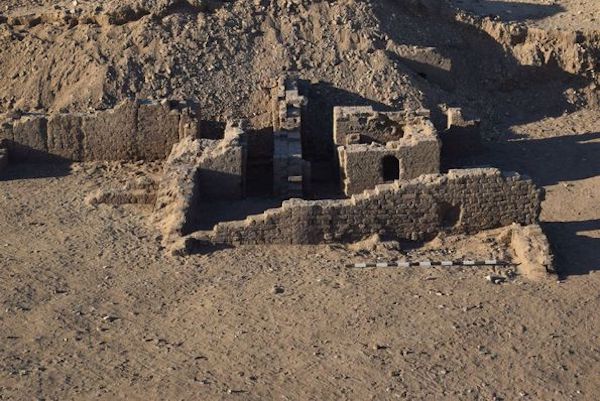
Archaeologists in the lost city of Athribis, Egypt have uncovered the largest collection of ancient “notepads” since the dawn of the 20th century.
These records of daily life were written on shards of inked pottery, otherwise known as ostraca, which were cheaper and easier to come by than papyrus during the time period.
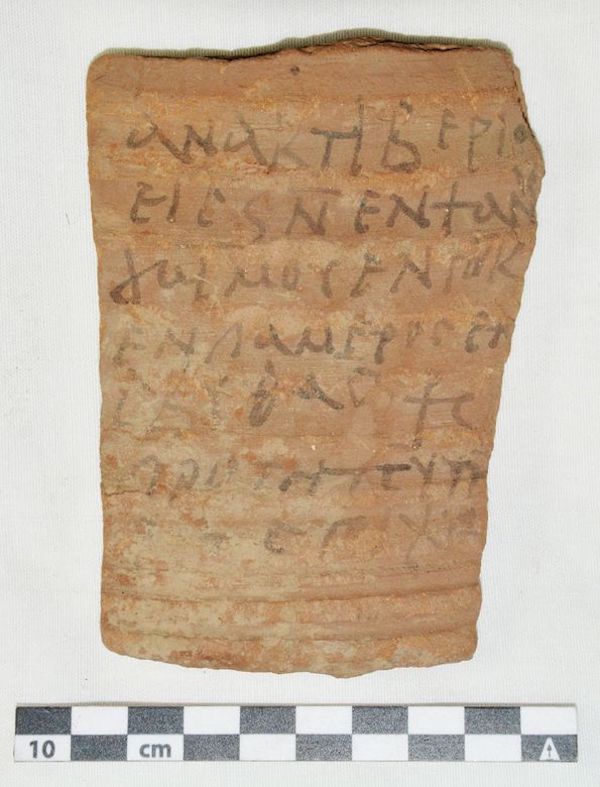
According to ScienceAlert, many of the pieces found at the archaeological site appear to be from an ancient school, covered in writing exercises where students repeated the same characters over and over.
“There are lists of months, numbers, arithmetic problems, grammar exercises, and a ‘bird alphabet’—each letter was assigned a bird whose name began with that letter,” explained Egyptologist Christian Leitz, from the University of Tübingen.
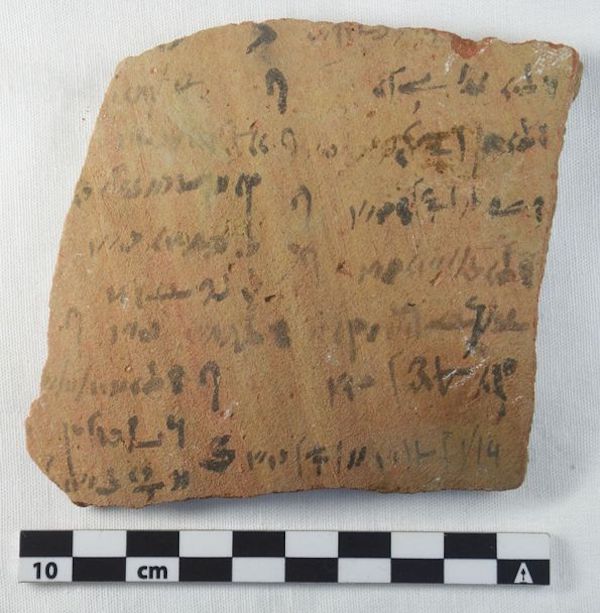
Researchers found that more than two-thirds of the “notepads” were penned in Demotic, which, as per Sci News, was the common administrative script from 600 BCE.
The remaining shards contained Greek, Hieratic, hieroglyphic—and in rare cases, Coptic and Arabic scripts. Apart from writing, some of the ostraca comprised images of animals, human deities, or even geometric figures.
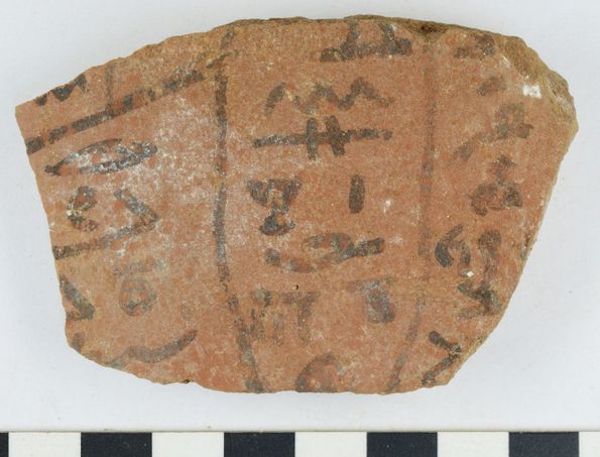
“In ancient times, ostraca were used in large quantities as writing material, inscribed with ink and a reed or allow stick,” said Professor Leitz.
“These ostraca provide a variety of insights into the everyday life of Athribis,” he added.
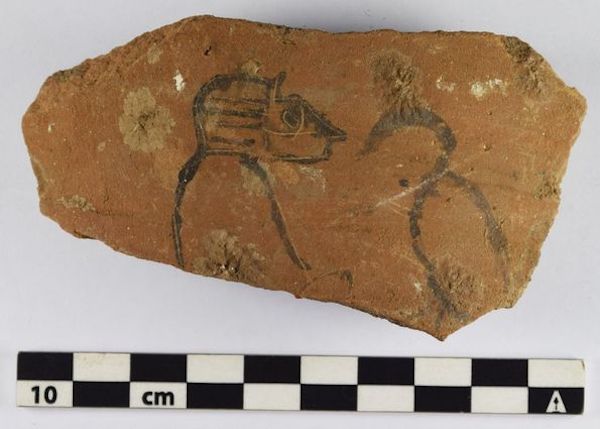
[via ScienceAlert and Sci News, images via Athribis-Project Tübingen]


