
IRS Reverses Plan To Verify Users By Facial Recognition After Privacy Backlash
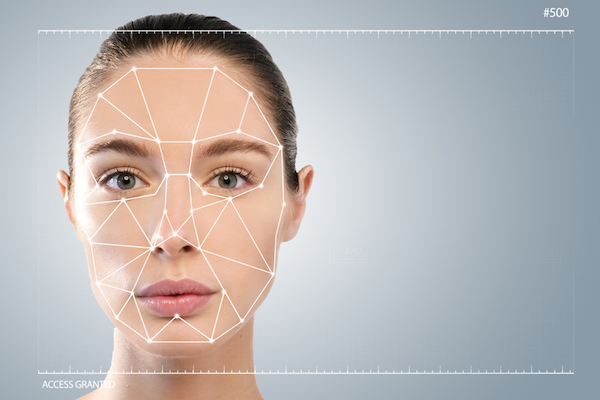
Recently, the Internal Revenue Service (IRS) announced plans to implement facial recognition software for users logging into their accounts online.
This collaboration with ID.me, an online identity verification network working to help users prove their legal identity online, was met with backlash from legislators and users alike, citing privacy concerns and security risks.
It was so disagreed upon that the IRS has just released another statement announcing that the implementations would, indeed, be halted.
It would “transition away from using a third-party service for facial recognition to help authenticate people creating new online accounts,” the IRS stated in a release dated Monday.
Instead, an “additional authentication process” will be taking its place, according to a statement given to CNN. However, no further details about what this would entail have been shared at the time of writing.
“The IRS takes taxpayer privacy and security seriously, and we understand the concerns that have been raised,” IRS Commissioner Chuck Rettig details.
“Everyone should feel comfortable with how their personal information is secured, and we are quickly pursuing short-term options that do not involve facial recognition.”
Apart from privacy concerns, there are also flaws in facial recognition systems, especially those relying on AI. Some incidents that can definitely stand to exist without repetition include racial and gender bias. Such mistakes are already impossibly detrimental, but especially in this context of retrieving sensitive information to do with taxes.
The transition will take place over the next few weeks “in order to prevent larger disruptions to taxpayers during filing season,” the IRS added.
[via CBS and CNN, image via Shutterstock]


