
How IKEA Ended Up Making Furniture For Customers To Assemble Themselves
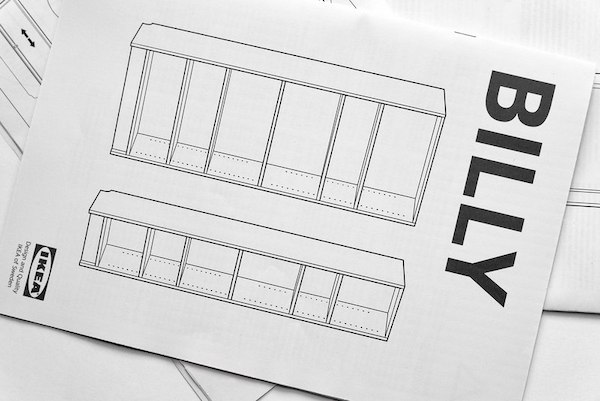
Photo 239745801 © Heiko Kueverling | Dreamstime.com
When IKEA began selling furniture (in addition to the usual lineup of leather briefcases and crystal jewelry) it was an outcast. Furniture companies that had been around for ages resented it because it broke every mold for manufacturing chairs and more. Even before landing on the flatpack design idea, founder Ingvar Kamprad had found ways to keep costs low and passed those savings over to consumers. Other businesses were livid.
On his personal YouTube channel, Vox senior video producer Phil Edwards details how the small Swedish firm ended up making furniture that shoppers would have to set up themselves. It turns out that, if not for those pressures Kamprad had faced from jealous companies, most people probably wouldn’t have known how to use an Allen key today.
In 1950, Kamprad took his wares to a trade fair and offended other merchants there. They didn’t like that he was cutting out the middlemen and selling mail-order furniture directly to consumers at pocket-friendly prices. Businesses threatened to boycott suppliers who agreed to work with IKEA.
According to the official IKEA Museum, Kamprad was able to keep prices low—“by far the lowest in the land—by letting his family handle the logistics. “They were all involved in the business and helped out with shipping and administration,” IKEA describes. It also attributes the low overheads to “a high turnover [and] direct delivery from the factory.”
Another of its solutions, which came “without compromising on quality,” was to sell upholstered furniture without textiles. Customers would pick out the fabric themselves, reducing deadstock.
Furniture companies warned suppliers that if it was found they were helping IKEA, their partnerships would be off. “A committee was appointed to prevent ‘undesirable firms’ (IKEA, basically) from exhibiting,” notes IKEA in an article.
Somehow, Kamprad managed to charm his business associates—plus he “always paid his invoices on time.” Suppliers hinted to him that, although they were forbidden from selling designs tied to their contracts, they could still work with him if he made slight modifications to the pieces, so he did.
“Some suppliers tried to get round the furniture retail association’s boycott by selling discontinued models, selling under another name, or sending the goods to a neutral address in Älmhult rather than to IKEA. And Ingvar in turn had founded the purchasing company Ikano, thus finding a way around the boycott by purchasing via that company instead of IKEA,” the company recounts.
The flatpack concept only came about in 1952 when Kamprad was designing a table with one of his first employees, Gillis Lundgren. The latter lamented that the legs were taking up too much space, so he thought of taking them down and stashing them under the tabletop. Thus, the MAX—the first-ever self-assembly IKEA product—was born.
[via Laughing Squid, IKEA Museum, Phil Edwards, cover photo 239745801 © Heiko Kueverling | Dreamstime.com]


