
Wikipedia Commissions Profile Portraits To Put A Face To ‘Unseen’ BIPOC Figures
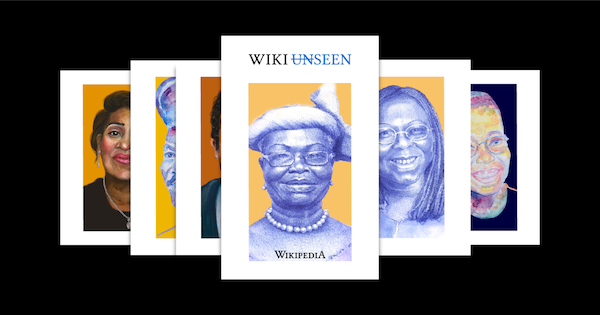
Many historical figures who were painted were people with money to spare, which is often mistaken for importance. This perception has been carried into the modern day, and the Wikimedia Foundation is hoping to end it now. Starting this Black History Month, the organization is commissioning artists to create portraits of Black, Indigenous, and people of color (BIPOC) figures who don’t have pictures on their Wikipedia pages.
The project, entitled Wiki Unseen, will begin with the pages for six barrier-breaking Black individuals, namely Ghanaian biochemist and educator Marian Ewurama Addy; documentary filmmaker William Greaves; Senegalese computer scientist Rose Dieng-Kuntz; American poet and playwright May Miller; Jamaican astronomy and astrophysics professor Mercedes Richards; and Dominican activist Asquith Xavier, the first non-white train guard at the Euston railway station in a racially-segregated England.
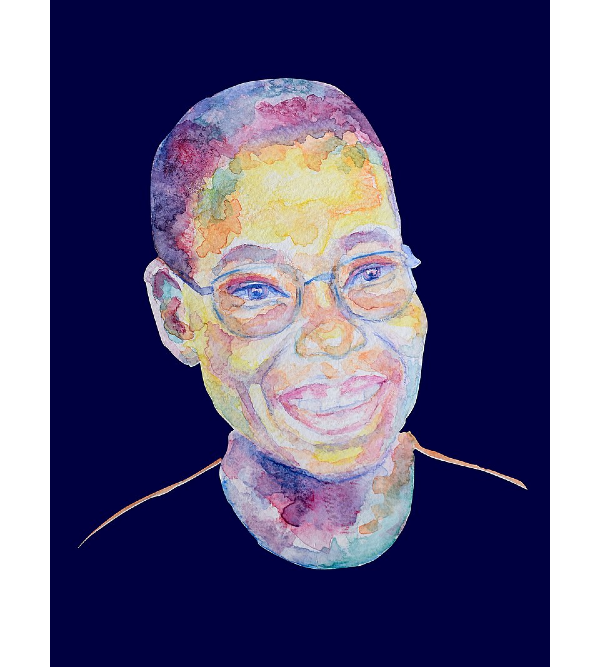
A watercolor portrait of Mercedes Richards by Esther Griffith, image via Wikimedia Commons (CC BY-SA 4.0)
Three POC artists have been enlisted to help close the visual gaps through commissioned illustrations: Ghanaian ballpoint pen artist Enam Bosokah; Trinidad and Tobago contemporary artist Esther Griffith; and New York City-based illustrator Bukhtawar Malik. A total of 20 biographies representing the African Diaspora were chosen for this initiative by the Wikimedia Foundation and Wikipedia volunteer-led platform AfroCROWD, and work for the other 14 will commence after this year.
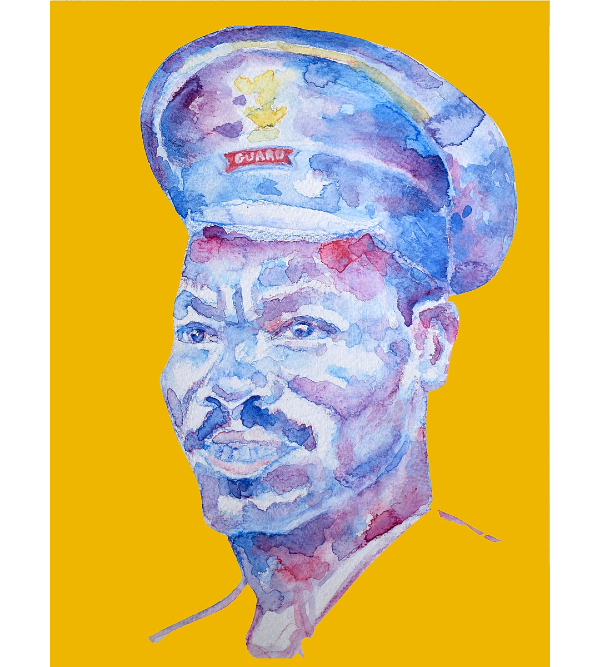
A watercolor portrait of Asquith Xavier by Esther Griffith, image via Wikimedia Commons (CC BY-SA 4.0)
The absence of a picture might first seem negligible, since there’s still illustration in the form of textual context—but the Wikimedia Foundation stresses that it’s the Wikipedia articles with images that drive the most traffic. In addition, it notes that search engines tend to prioritize Wikipedia pages with photos, and that “people are more likely to remember pictures than words,” citing a phenomenon called the picture superiority effect.
“We know that these [pictureless] biographies are more likely to be left unread, their stories untold and faces unseen,” it adds.
In line with the Wikimedia Foundation’s goals for open-access knowledge, Wiki Unseen images are intended to have a Creative Commons license.
[via Hyperallergic and Wikimedia Foundation, images via Wikimedia Foundation]


