
Musk Shares First Updates To Starship, Famed Mars Rocket In Progress, In Years
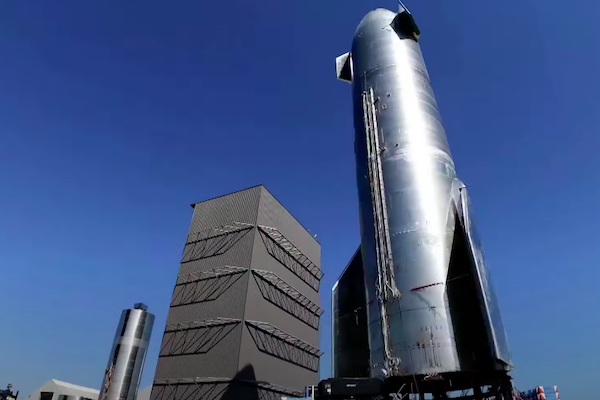
Starship, developed by Elon Musk’s SpaceX, is a bullet-shaped spacecraft designed with the hopes of taking humans to the Moon and, ultimately, Mars.
First announced in September 2016, the rocket has been a steady work in progress since then, with many glimpses of the upper portion but not so much known about what lies below. Measuring 400 feet in height, it’s no easy feat to construct this vehicle, let alone test it.
On Thursday, Musk revealed the first official updates of Starship in about two years—the last such disclosure was in 2019—apart from the glimpses of test flights that have been shared by the company periodically.
Behind him stood a fully-stacked Starship in all its glory which, if all goes to plan, will be launched soon as the Starship’s first orbital test flight in history. This is scheduled to be as early as next month.
— Elon Musk (@elonmusk) February 10, 2022
Space.com reports that this, however, is subject to the US Federal Aviation Administration completing an environmental assessment of Starbase by the end of this month, as planned.
But as far as the Starship is concerned, it should be good to go. Musk didn’t reveal an orbital flight date, but is pretty set on the vehicle reaching orbit before the year’s end.
With success, there are reportedly plans in place for multiple Starships to be built, as frequently as every three days. The fleet of spacecraft will mean that 10 Starships can be launched daily, three times a day, which the CEO expresses is crucial if we want to be able to live on Mars.
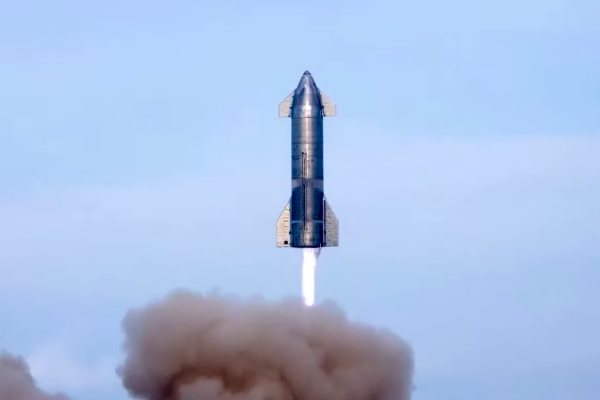
Some insight into the ship’s engines as well as the Raptor 2 rocket engines were also given. Currently, the Raptor 2 has 230 tons of thrust but Musk is confident in getting that number to 250. “It’s only going to get better from there.”


