
Just Minutes Of Escaping To VR Keeps Frontliners’ Stress Low, New Study Reveals
In the last two years of the pandemic, there’s one group of people who have gone above and beyond to keep the world running: frontline healthcare workers.
Due to their incredible efforts in attending to those infected with the virus, many have reported high levels of stress, burnout, and physical exhaustion.
Thus, to address this growing concern, researchers based in Ohio set out to develop a way to help lower healthcare workers’ stress levels.
The team, comprising scientists from Ohio University’s Game Research and Immersive Design Lab (GRID), the Heritage College of Osteopathic Medicine, and OhioHealth hospitals, has successfully developed virtual reality (VR) content that helps frontline workers mitigate stress.
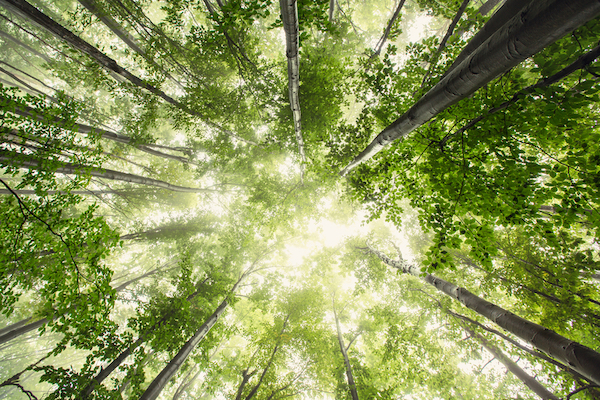
It appears that just spending three minutes in a picturesque nature simulation could be the answer to one of the most stressful jobs on the planet. GRID partnered with the Ohio Museum Complex to capture the footage, which was filmed at a nature preserve in the southeast of the state.
The calming simulation allows for a fully immersive experience, in which the viewers can “walk around” and look in different directions, just as they would if they were in nature itself.
According to SlashGear, healthcare workers can put on the VR headset and enter into a tranquil world, with sounds from birds chirping and the wind blowing for the perfect escapade. The best part? The study shows it has been effective.
102 volunteers who tested the simulation indicated that before the video, their average stress level was approximately 5.5 on a scale of 1 to 10. Three minutes later, it dropped significantly to just 3.3.
Even the most stressed staff, who reported levels above 6.8 at first, had a bigger drop down to an average of about 3.9 after the simulation. These results saw a consistent pattern across genders, ages, and if the user had prior experience with VR or otherwise.
The study concluded that the simulation was “effective in reducing subjective stress among frontline healthcare workers in the short-term,” though more research will be needed to look into its long-term effects.
[via SlashGear and Plos One, cover image via Valio84sl | Dreamstime.com]


