
Stanford Scientists Create Synthetic Molecule That Can Destroy Cancer Tumors
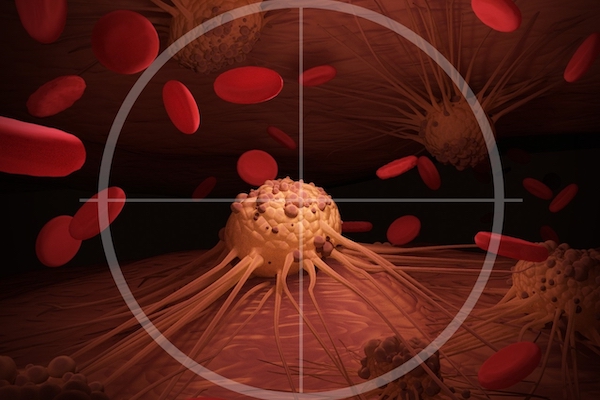
Researchers at Stanford Medicine have developed a new synthetic molecule that destroys cancer cells by combining a tumor-targeting agent with another that triggers the immune system.
Doctors can administer this immunotherapy via an IV drip, allowing it to travel to one or more tumor sites within the body to recruit immune cells to fight the cancerous growth.
According to Stanford, results of the newly-developed procedure showed that three doses prolonged the lifespan of six of nine laboratory mice with triple-negative breast cancer.
Of the six, three of the mice were believed to have been cured of the aggressive cancer during the study.
Furthermore, just a single dose of the synthetic molecule showed complete tumor regression in five of 10 subjects, displaying similar results in a different group of mice with pancreatic cancer.
“We essentially cured some animals with just a few injections. It was pretty astonishing,” said Jennifer Cochran, Shriram Chair of the Department of Bioengineering.
“When we looked within the tumors, we saw they went from a highly immunosuppressive microenvironment to one full of activated B and T cells—similar to what happens when the immune-stimulating molecule is injected directly into the tumor,” she explained.
“So, we’re achieving intra-tumoral injection results but with an IV delivery,” she added.
The new treatment was based upon a previous study in which scientists injected the same immune-activating agent and a different sample directly into the tumor site.
This then fueled the idea for researchers to try a similar method, but intravenously instead.
“The surprising result of the new research was that the sculpting of the tumor microenvironment by this intravenously administered molecule was identical to that achieved by injecting immune-stimulating agents directly into the tumor,” remarked Ronald Levy, the Robert K and Helen K Summy Professor in the School of Medicine.
“This is a big advantage because it’s no longer necessary to have an easily or safely injectable tumor site,” he said.
Before the scientists can move towards human trials, they need to determine if the molecule is ready to be tested on humans.
Eventually, there’s a possibility that the immunotherapy could become an off-the-shelf treatment for patients with a variety of cancer diagnoses.
[via Stanford Medicine]


