
Solar Panels Made From Waste Crops Don’t Need Direct Sunlight To Produce Energy
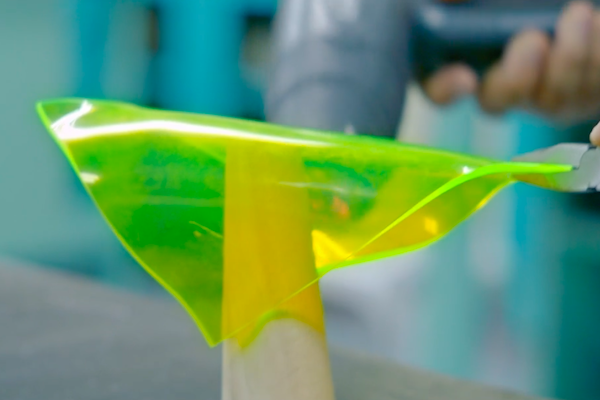
Solar panels work with light—it’s in the name. They’re a cleaner source of energy and harness something nature provides us. But because they rely on a supply of direct sunlight, they might not be viable for everyone, especially those who live in cold places with less natural light.
‘AuREUS’ is a new type of solar panel created by Carvey Ehren Maigue, a student at the Mapúa University in the Philippines. The idea was to create panels that, instead of using direct sunlight, are powered by the ultraviolet rays of the Sun, which clouds don’t block.
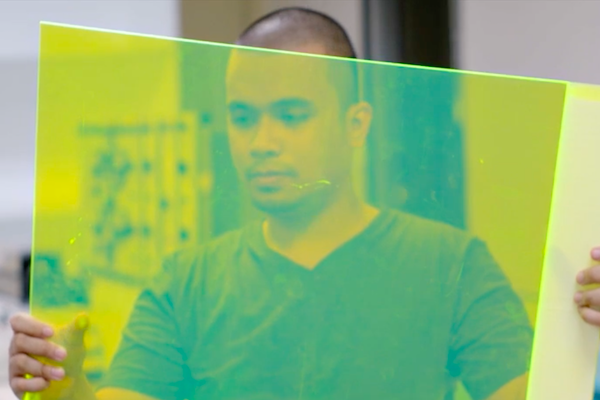
Luminescent particles are harvested from fruits and vegetables to do this—a seemingly simple solution, yet one that evokes marvel when made into the final product.
These are the particles in the crops that absorb the ultraviolet rays from the sun and turn them into visible light.
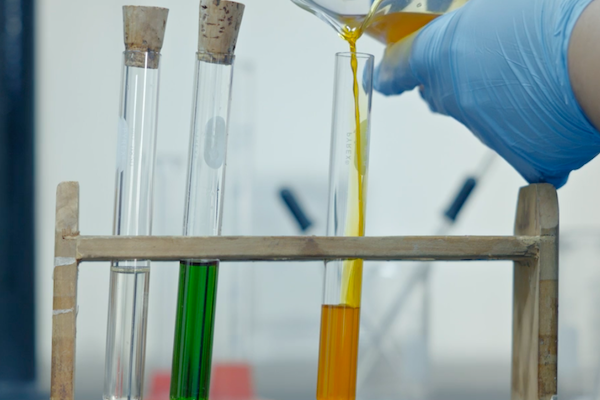
Using these absorbent particles, a new type of solar film was created. Maigue’s invention was able to convey the ultraviolet rays into visible light, which can then be used to generate electricity.
The panel is flexible and can be applied to various things, not just walls and windows or roofs like regular solar panels. It can even be incorporated into clothing. Maigue also has plans to try to turn this tech into threads and fabric to make ultraviolet-absorbing garments.
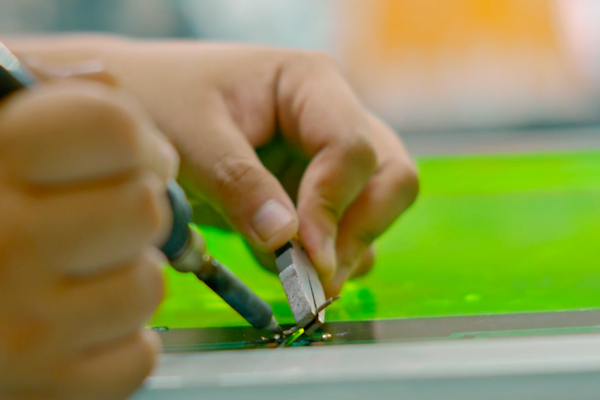
The current prototype is just a three-by-two-foot panel installed in the inventor’s own apartment. This, however, can generate enough electricity to charge two phones every day, despite its small size.
AuREUS and its groundbreaking potential have snagged Maigue the James Dyson Award for Sustainability in 2020.

“We need to utilize our resources more and create systems that don’t deplete our current resources,” he explains in an interview with Dyson. “I also want to show that, even if we want to become more sustainable, it’s not only the future generation that would benefit, but also us, the present generation.”
“With AuREUS, we upcycle the crops of the farmers that were hit by natural disasters, such as typhoons, which also happen to be an effect of climate change. By doing this, we can be both future-looking, and solve the problems that we are currently experiencing now.”
[via BGR and the James Dyson Foundation, images via the James Dyson Foundation]


