
Police Proclaim Lab-Harvested Human Organs Have Been Shipped To Fashion Designer
While fashion labels are picking up more sustainable materials to construct their products, for some designers, not even exotic leathers are exotic enough. Human body parts are more on-brand for them.
Unfortunately, this isn’t another of PETA’s shocking campaigns imagining “human leather” as fashion components. The revelation comes from a very real raid by the Brazilian federal police, who discovered on Tuesday that a human hand and three human placentas have been packaged and sent off to Singapore.
Law enforcers received tipoffs about organs being harvested in the anatomy lab of the Amazonas State University (UEA) in Manaus and launched an anti-human trafficking operation, VICE World News first reported.
The intended recipient of the parcel is said to be “a famous Indonesian designer” reputed for creating apparel and fashion accessories from human body parts—allegedly the very same designer who made this “ethically-sourced” human child spine handbag.
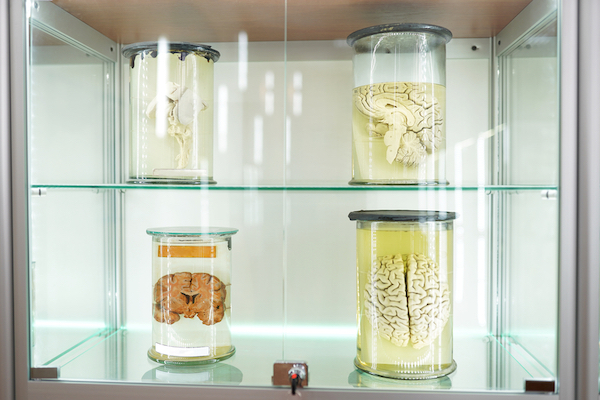
The organs were preserved through a process called plastination, where preservative materials like silicon and epoxy and used in the stead of perishable bodily fluids and fat. The anatomy professor who harvested and kept the parts is now being investigated.
A federal police officer told the news outlet that the package has departed Brazilian waters and is headed for Singapore, though it’s unclear if the contents have been identified.
Authorities are now establishing if the shipment counts as international trafficking of human organs. If so, anyone convicted could be sentenced to up to eight years in prison in Brazil.
MANAUS: Uma mão e 3 placentas iriam a Cingapura (tráfico internacional de órgãos)
— Nauzila Cavalcanti Campos (@nauzilacampos) February 22, 2022
O lab de anatomia de uma universidade LOCAL (nome não divulgado pela PF) fazia a extração de líquidos corporais
O receptor era um designer indonésio que vende acessórios/roupas com MATERIAL HUMANO pic.twitter.com/FuvCpE7KkE
[via VICE World News, images via various sources]


