
NYC To Finally Pilot Subway Platform Barriers After Too Many Incidents
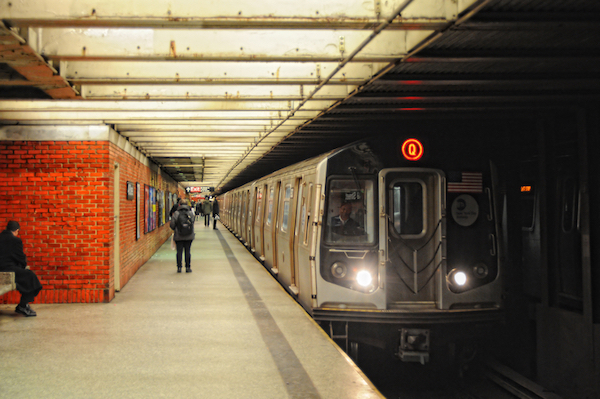
The Metropolitan Transportation Authority (MTA) is finally responding to pleas to reinforce safety barriers around subway tracks, years after several parts of the world have implemented them. The final blow was when 40-year-old Michelle Alyssa Go was pushed in front of a moving R train at Times Square Station.
Previously, the agency hadn’t reacted to calls by the public to install the doors, as “special complexities” stemming from the system’s century-old technology made it difficult and expensive to do so. In fact, the new barriers will only be piloted at three stations in Manhattan and Queens—specifically at the Times Square 7 line, Third Avenue L Line, and Sutphin Boulevard/JFK Airport at the end of the E Line.
It will take at least until 2024 for the platform edge doors to be built at these three stations, “assuming we can resolve the financial issues and everything else,” alerted Janno Lieber, the authority’s chair and chief executive, in a statement published by the New York Times. Although more than a quarter of the MTA’s stations have the bandwidth to support the barriers, the test program for the three stations alone will cost over US$100 million.
Besides preventing falls, the doors could even help speed up train service as they would keep litter—which would have to first be cleared since they are potential fire hazards—out of tracks.
In addition to the barriers, the MTA is increasing police patrols around platforms and installing cameras in front of L trains. It is also exploring thermal- or laser-based detection tools that could figures near trains.
Authorities are also looking to relocate homeless people who take shelter at subway stations.
Mental health experts will be consulted to help launch new suicide prevention campaigns.
[via New York Times and Jalopnik, cover photo 24498584 © Roejoe | Dreamstime.com]


