
Damaged, But Still New, Furniture Is Reworked Into Kits So It Still Has A Chance
Many articles of furniture are sent to landfill, even if they’re still in usable condition. Online furniture shopping, as convenient as it is, also poses situations like a piece arriving scratched or damaged in transit. Even if the customer gets a refund, the piece is most likely going to be disposed of.
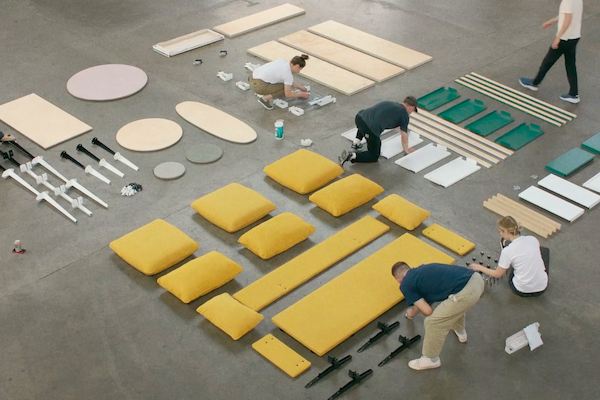
To mitigate the effects of this waste is a company called Floyd, pioneering its own program called ‘Full Cycle’. The initiative takes back damaged items, disassembles them, and salvages the usable elements. For instance, a table is separated into its surface and legs.
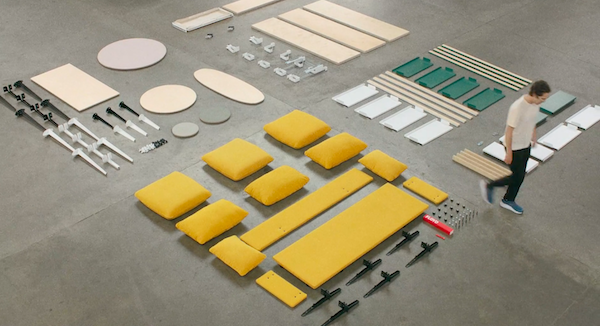
A mix-and-match model is used here, taking these elements to come up with new “kits” of unique furniture that would have otherwise been sent to the garbage truck. These can be resold for a discounted price, reaching up to 50% off.
Because the pieces come in kits, it’s easy to replace a single small component if something were to break after a while. And it’s much more favorable than throwing the entire chair out, for example.
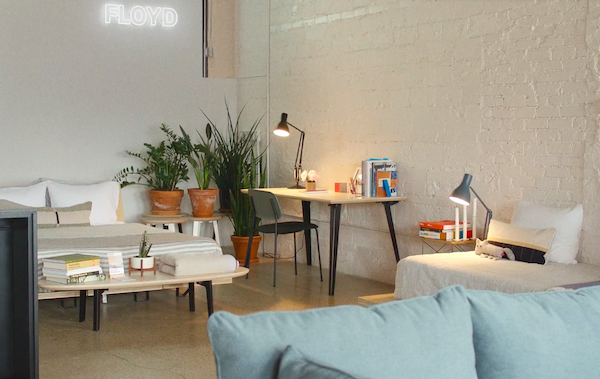
This program is dubbed as the firm’s way of “extending the life cycle of our products,” it writes on its website. “By giving you a way to shop returned and used furniture, service what you already have, and recycle responsibly when it's beyond repair.”
Fast Company reports that the Full Cycle program has, to date, resold some 272 items. This represents almost a whopping 40,000 pounds of furniture. While helping to save furniture and the environment from more waste, the company has also enjoyed an increase in new customers.
In the future, the company would like to incorporate a buyback program that encompasses more of its furniture, sort of like IKEA’s. Currently, 32% of returns go towards Full Cycle, but 100% would be ideal.
An impressive 96% of Floyd customers do still have their furniture a full decade after purchase, which is promising for the durability of the pieces, and would make a buyback program even more viable.
“Longer term, we’re striving to own more of the process, to build more of a marketplace, or opportunity, for people to bring product back to refinish and service it,” Kyle Hoff, CEO of Floyd, tells Fast Company. “That’s more of a future state, to sell furniture back to us.”
[via Fast Company, images via Floyd]


