
Artificial Whale Poop Is Being Developed To Help Revive The Oceans
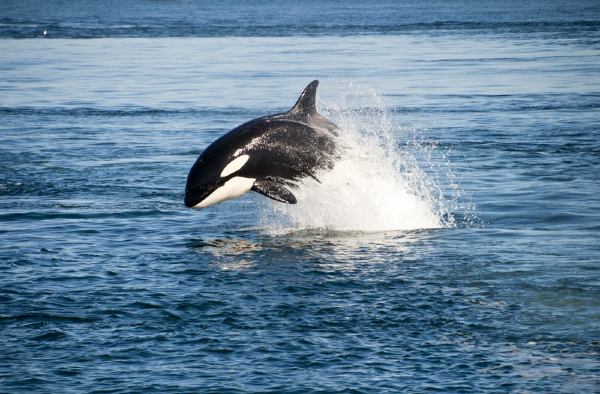
Photo 27688096 © Hanhanpeggy | Dreamstime.com
Toilet water, of the whale variety, that is, is exactly what is needed to resuscitate ocean life. In hopes to boost biodiversity and give rise to fish populations, a team of international scientists is replicating whale poop: a surprisingly rich source of nutrients that’s dwindled as a result of whale hunting.
In the eyes of ocean animals, whale poop isn’t a load of crap at all. It’s a natural fertilizer that, when dispersed across the ocean surface, helps grow the phytoplankton that billions of fish and marine life feed on. The plankton also absorbs carbon dioxide from the atmosphere, taking the gas with it and storing it as it sinks to the ocean floor.
The researchers, led by the UK government’s former chief scientific adviser David King, intend to test the synthetic feces in the next couple of months, and when that happens will be determined by the weather. To abide by the London Convention treaty, which centers around the dumping of matter into the ocean, the experiment will take place in a small controlled area off the coast of India for only about three weeks.
The team hasn’t decided on what will go into the artificial whale excretion, but reckon it will be composed of nitrates, silicates, phosphates, and iron. Two components the scientists are seriously considering are iron-rich sand and volcanic ash.
What they know is that the faux poop will be loaded onto makeshift rafts crafted from baked rice husks, a byproduct from factories. The short-term pilot will mainly test the feasibility of rice husks as vessels for the artificial dung.
The experiment is similar to a program launched in December by Sydney-based WhaleX, which has been simulating its own whale poop using seaweed gel, as reported by The Good News Hub.
“We are trying to repopulate the ocean… I don’t know whether the experiment will be the final answer,” King disclaims. He says that once the whale population recovers, there’ll likely be no need for artificial poop. The team behind the project consists of six international universities and research centers.
Should the synthetic droppings prove to be suitable for scale, the scientists imagine sustaining the concept by selling fake poop to communities who wish to boost fishing catches.
[via NewScientist and The Good News Hub, cover photo 27688096 © Hanhanpeggy | Dreamstime.com]


