
Supreme Court Ruling Supports Creators Who Make Honest Mistakes In Copyright Law
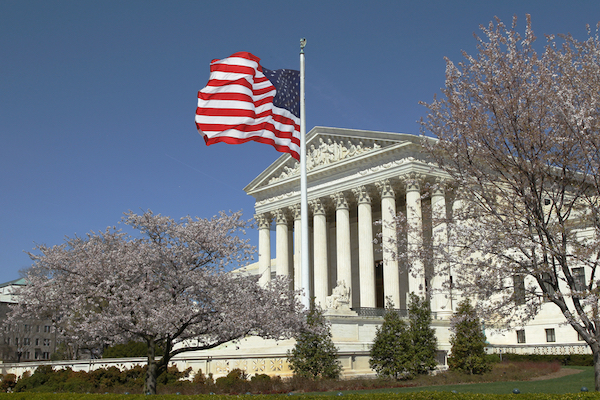
Photo 40098405 © Jixue Yang | Dreamstime.com
An eye-opening ruling by the US Supreme Court on February 24 takes the side of artists and other creatives who have had “good-faith misunderstandings” when filing copyright paperwork, leading to unintentional errors that could potentially put their attempts for protection at risk, Justice Stephen Breyer wrote.
The hallmark move forms the conclusion of a long-winding legal battle between Los Angeles-based fabric designer Unicolors and Swedish fast-fashion giant H&M. In 2016, the smaller design company sued the latter for appropriating one of its copyrighted patterns on a jacket. It won US$750,000, though the fight was not over. H&M later filed a counterclaim insisting that Unicolors’ application was invalid, Reuters reports (via PetaPixel).
Normally, the US Copyright Office only allows multiple works to be covered under a single filing if they arrive “in the same unit of publication.” H&M used this regulation to contest Unicolors’ attempt in protecting 31 separate designs under one application despite them belonging to different publications; some of the 31 were made exclusive to a limited set of customers while others were released immediately to the public.
The fashion retailer accused Unicolors of being fraudulent in its documentation, and the scales were tipped over to H&M in 2020.
The most recent appeal, submitted by Unicolors, was escalated to the Supreme Court, which eventually defended the small guys (in a 6-3 decision) for making an innocent mistake in their paperwork.
“An applicant for a copyright registration—especially one who is not a lawyer—might check the wrong box on the registration documents as a result of a legal, as well as a factual, error,” concluded Justice Breyer. “Given this history, it would make no sense if [Section 411(b) of the Copyright Act] left copyright registrations exposed to invalidation based on applicants’ good-faith misunderstandings of the details of copyright law.”
Unicolors’ attorney Joshua Rosenkranz of Orrick Herrington & Sutcliffe told Reuters: “This is a big win for artists and poets, who can now enforce their copyrights without fear that blatant infringers will skate on a technicality.”
The American Society of Media Photographers, which has been observing the case closely, said that the ruling “should come as some comfort to those who do not register their works due to the fear that making a mistake will render their registrations irrelevant in the future.”
[via PetaPixel and Reuters, cover photo 40098405 © Jixue Yang | Dreamstime.com]


