
New Ultrasound Scan Found To Be Able To Diagnose Prostate Cancer
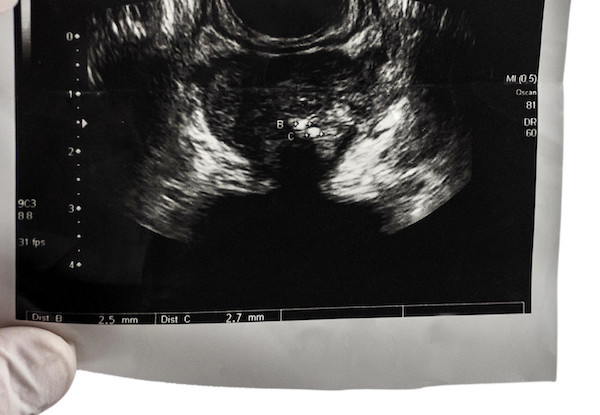
Researchers at Imperial College London, University College London, and Imperial College Healthcare NHS Trust have discovered a new type of ultrasound scan that can assist doctors in diagnosing prostate cancer.
Following a clinical trial involving 370 male subjects, the ultrasound was shown to high levels of accuracy, missing only 4.3% of clinically important cases as compared to magnetic resonance imaging (MRI) scans, the current standard procedure used to detect the cancer.
MRI scans are often expensive and time-consuming, so the emergence of the new ultrasound scan could be used as an initial test for prostate cancer. This would especially benefit low or middle-income communities that don’t have access to costlier equipment.
Professor Hashim Ahmed, lead author of the study, pointed out that prostate cancer is currently the most commonly diagnosed cancer in the UK, with one in six men detected with the disease in their lifetimes.
“As cancer waiting lists build as a result of the COVID-19 pandemic, there is a real need to find more efficient and cheaper tests to diagnose prostate cancer,” he explained.
The ultrasound scan, described by Dr Alistair Grey from the UCL Division of Surgery & Interventional Science as “cheap and easy to conduct,” could be the solution to this growing problem.
[via Imperial College London]


