
Ukraine’s ‘IT Army’ Joined By 300K Volunteers Worldwide To Battle Russia
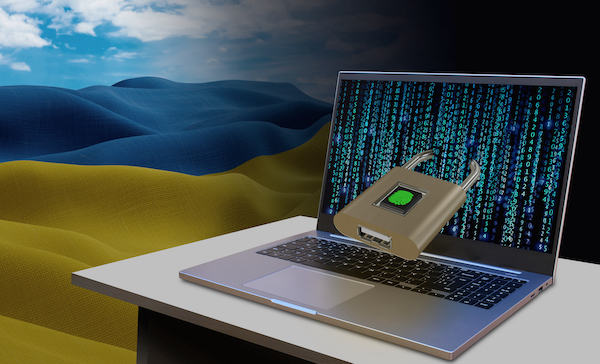
Photo 232269332 © Diony Teixeira | Dreamstime.com
Joining Ukraine on its non-military efforts are hundreds of thousands of people who are utilizing their IT skills, among other abilities, to take down Russian government and financial sites, as unprovoked pressures from the Kremlin aggravate.
On February 26, Ukraine’s vice prime minister Mykhailo Fedorov—who happens to also be the nation’s minister for digital transformation—put in a recruitment call for “digital talents” to be part of a new ‘IT Army for Ukraine’ commissioned by his ministerial department.
We are creating an IT army. We need digital talents. All operational tasks will be given here: https://t.co/Ie4ESfxoSn. There will be tasks for everyone. We continue to fight on the cyber front. The first task is on the channel for cyber specialists.
— Mykhailo Fedorov (@FedorovMykhailo) February 26, 2022
The army base exists on the Telegram chat app, allowing anyone around the world to participate in the resistant effort remotely. “There will be tasks for everyone,” Fedorov proclaimed. To date, 300,000 people have answered the call, the Guardian reports.
Forming an army of any kind comes with great risks, and cybersecurity experts have been doubtful about the impact that an intermittent disruption of websites can really make. They also warn of rogue volunteers who may end up going against the Ukrainian government’s vision, whether intentional or not.
“At best, what they’re doing is running interference,” Alan Woodward, a cybersecurity professor at the University of Surrey, tells the Guardian. “It may be a nuisance to the Russians, but the attacks we’ve seen so far haven’t really affected the Russian fighting capability to any decisive effect.”
Woodward adds that some participants may even leave Ukraine to be even more vulnerable. “This could be accidental,” says the professor. “How often has ransomware spilled over and affected, say, a hospital? I don’t think anyone wants that.”
Thus far, the hacker army has intercepted the activities of government websites, banks, state-owned media services, Russian businesses, energy giant Gazprom, and the nation’s second-largest oil producer Lukoil. Reuters reports that Kremlin.ru—the official website of the Russian government and President Vladimir Putin’s office—had been taken offline on February 26 due to a supposed denial of service (DDoS) attack.
Alp Toker, director of internet cybersecurity and governance watchdog NetBlocks, notes that the IT Army of Ukraine’s efforts “have been successful” in halting online Russian government and state-backed activities. As a counterintuitive retaliation, Russia filtered access to some websites, which only complicated things for some citizens.
One teenager from Switzerland, who has asked to have his real name redacted, tells the Guardian that he wishes to use his hacking abilities for a meaningful cause. “I’m a strong hacker and I’m so sorry for every Ukrainian,” he tells the publication via Telegram. “I do it because I stand with Ukraine and I want to help somehow. I think if we hack Russia’s infrastructure they will stop, maybe, because nothing will work anymore.”
Another volunteer who works for a global advertising-technology firm says he’s been delivering “counter-propaganda” to Russians through advertising channels.
Participants who don’t consider technological prowess to be among their strengths are doing what they can to help. One preschool teacher says she acknowledges she’s “not special by any means,” so she contributes by gathering resources on how to support Ukraine and end disinformation, which will be added to a website.
“I can’t explain it,” says the preschool teacher. “It’s just something that’s so innately human that has been inspiring me, the more involved I get.”
[via The Guardian and Reuters, cover photo 232269332 © Diony Teixeira | Dreamstime.com]


