
Route To Stonehenge To Be Restored To How It Looked Thousands Of Years Ago
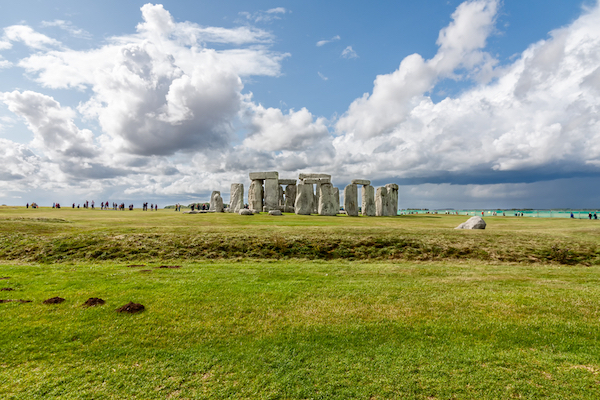
Photo 45240469 © Pere Sanz | Dreamstime.com
Researchers are inching closer to solving the mystery of Stonehenge, and they’re now bringing a part of it back.
Two sites recently acquired by the UK’s National Trust—namely a route that leads to the circle, as well as an area where hunter-gatherers and the earliest British farmers had their feasts together—are being planned for restoration. They will soon more faithfully reflect how Stonehenge’s surroundings once appeared to the ancient pilgrims, the Guardian reports.
In restoring the zones, the conservational charity—which already oversees more than 800 hectares of Stonehenge’s surrounding landscape—hopes to reverse some of the damage that modern agriculture has left on the earth.
The areas will be converted into chalk grassland to help counter the effects of arable farming and reintroduce biodiversities like butterflies, hares, and wildflowers.
“Arable farming can be hugely damaging to archaeology. Year after year erasing more and more of the story of the people who built and used the awe-inspiring monuments in this globally important landscape,” comments Dr Nick Snashall, the Trust’s archaeologist for the Stonehenge and Avebury World Heritage Site. “So, it’s fantastic news that we’ve been able to take the single most important step in protecting these sites in decades, by bringing this additional land into our care.”
The first site takes up part of the Avenue, a 1.5-mile path connecting the banks of the River Avon to Stonehenge. The other, almost a mile away from the circle, was where archaeologists uncovered remains of deer caught by hunter-gatherers and bones of cattle used by farmers, indicating to them that it was once a feasting pit.
The goal is to make these zones available to members of the public and invite them to retrace the steps of the pilgrims.
“By returning [the land] to species-rich chalk grassland we’re both making a home for nature, and ensuring the stories this landscape holds will be here for everyone to discover and enjoy long into the future,” shares Dr Snashall.
[via The Guardian and National Trust, cover photo 45240469 © Pere Sanz | Dreamstime.com]


