
Hundreds Of Sheep Are Maintaining A Solar Farm That Can Power 12,000 Homes
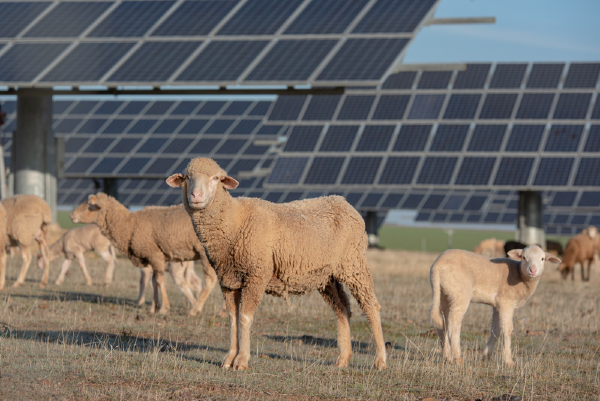
Photo 182168285 © Jose Manuel Muñoz | Dreamstime.com
Whenever the seasons permit, a herd of sheep will spend their time at the 41-megawatt Strathmore Solar farm in Alberta, Canada, blissfully unaware of the abundance they’ll bring to the facility.
The sheep come from the nearby Whispering Cedars Ranch of farmers Janna and Ryan Greir, who are sending the flock to the vacation home to partake in something called solar grazing. The practice, according to the American Solar Grazing Association, involves livestock—the woolly mammals, in particular—grazing the land of solar facilities.
In doing so, the animals naturally mow the grass, eliminating the need to use emissions-intensive lawn-mowing equipment and reducing fire hazards.
Meanwhile, the pastures can be utilized for agricultural purposes, future-proofing the livelihood of farmers.
Solar farms might be a big-picture win for the environment, but they also threaten the day-to-day lives of traditional farmers as the land they can work with is whittled away.
The Greirs, sustainability enthusiasts themselves, are hoping to show that clean energy can be mined without disrupting agricultural activities like dairy, wool, and meat production.
“Solar has been historically looked at as lost land, but for us it is an opportunity as first-generation farmers to access this land to produce food and fiber, while also supporting renewable energy,” the pair describe in a news release.
“This mutually-beneficial opportunity maximizes the utility of the solar site by offering local farmers additional land for their animals to graze, grow and thrive,” says Capital Power, the owner of the solar facility.
For the hundreds of sheep frolicking at this solar array, they’ll be nourished by the grass that covers its 320-acre plot, at the same time (unknowingly) maintaining the home of a 240-acre solar panel network with enough power to generate energy for 12,000 households. Who’s the shepherd now?
Motherboard cites a study detailing that, with a proper strategy of how the sheep will move between grids of land, as much as 80% more carbon can be sequestered in the soil of solar farms.
Sheep are notably deemed as the ideal species for solar grazing since they seem to be the only farm animals who calmly appreciate the shade provided by solar panels—napping or grazing under them on hotter days. They also tend to search for vegetation “that might otherwise become a shady nuisance for the solar company,” shares the American Solar Grazing Association.
Janna Greir further discloses that cows would be too curious to leave the solar panels alone, while goats could jump on the cells and even chew on their wires. The peaceful sheep won’t do any of these things.
The plan is to drive 50 to 100 sheep to the solar farm when spring blossoms, before potentially introducing another 50 to 100 to achieve a number of 600. The herd will then return to its home farm for the winter.
[via Motherboard and Capital Power, cover photo 182168285 © Jose Manuel Muñoz | Dreamstime.com]


