
Europe Will Introduce New Laws To Combat Fast Fashion Waste
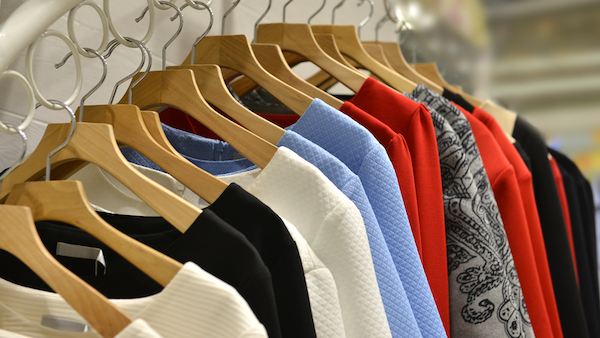
A new set of regulations—the Sustainable Textiles Strategy—scheduled to be unveiled this week, will allow Europe to combat fast fashion wastage, with proposals to make clothing sold more durable, reusable, repairable, and recyclable.
According to Zero Waste Europe, the fashion industry is one of the least regulation sectors in the market, and produces a staggering rate of one truckload of waste per second.
Worryingly, between 2000 and 2014, clothing production has doubled in Europe, with the average consumer now purchasing 60% more articles of clothing than 15 years ago.
Furthermore, shoppers now only keep their outfits for half the time they did at the turn of the millennium, and some even throw away low-costing items after just a few wears. Plus, less than 1% of clothes are ever recycled into new fabrics.
In reference to a report by Eunomia, advisors have suggested authorities should charge fashion brands an additional fee on every item of clothing sold due to the waste it may create.
Instead of stifling competition, the move could reshape how the entire sector thinks about its designs, and could push retailers to create clothes that can last longer and be repaired more easily.
“The polluter should pay. That is an important part of European law, but fashion brands have escaped. They don’t pay for the mountains of clothing that are burned or buried or dumped in developing countries,” said Nusa Urbancic, Campaign Director of Changing Markets.
“If set high enough, a disposal charge on brands would reverse this sorry situation and force the fashion world into an entirely new look, one that super-charges the production of sustainable, high-quality clothing.”
According to the BBC, similar rules could be extended in the future to electronic devices and furniture under the umbrella of the Sustainable Products Initiative.
Iona Popescu from the Environmental Coalition on Standards told the outlet that the forthcoming laws are designed to encourage retailers to invest in longer-lasting products that can be used multiple times, rather than poorly-made garments that have to be tossed after a few wears.
“The Commission seeks to put a halt on fast fashion by introducing rules on textiles to be used in the European market,” she said.
[via BBC and Zero Waste Europe, cover image via Photomall | Dreamstime.com]


