
Researchers May Have Figured Out How To De-Age Human Skin By 30 Years
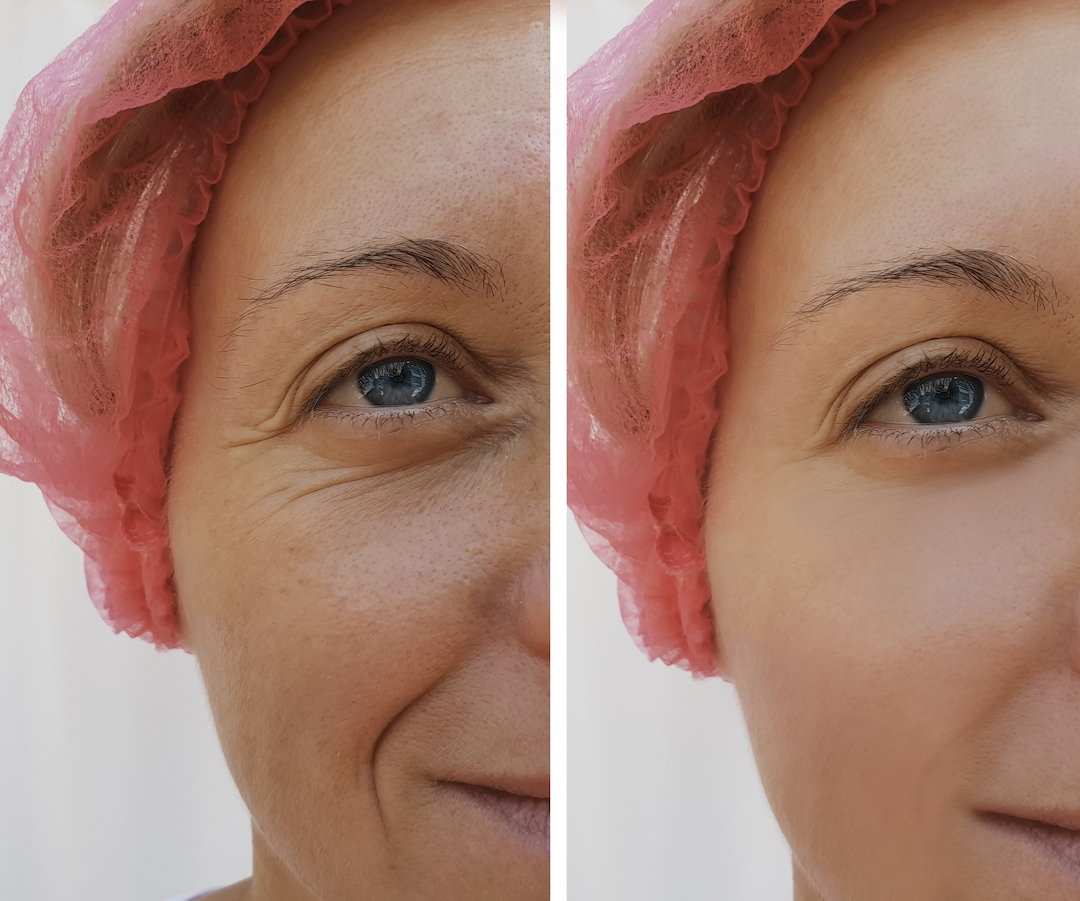
Photo 125768069 © Tanyalev1978 | Dreamstime.com
In time, that “I could have sworn you were her sister” phrase people use to butter up strangers older than them might indeed come from a place of authenticity. Scientists from the Babraham Institute in Cambridge have turned back the dials of time and reversed human skin cells by 30 years of age.
The cells ended up behaving just like their younger selves from three decades ago, as detailed in a study published in eLife. The research is still in its initial stages, so it will be some time before the technique eventually enters clinical trials.
The method builds upon Shinya Yamanaka’s Nobel Prize-winning technology in 2007, which is capable of converting regular cells into stem cells. Stem cells can be modified to perform various functions, but the cells’ original identities disappear after this process.
The Babraham Institute team replicated this technique, stopping short of letting the cells transition into stem cells, thus retaining the skin cells’ identity and function. The process, called maturation phase transient reprogramming, reaches its effects much quicker—13 days—than the 2007 method, which saw results in 50 days.
A couple of tests that assess age did indeed affirm that the skin cells’ biological age was about 30 years younger after the reprogramming. They showed an uptick in the production of collagen, which is responsible for keeping skin young and for wound recovery. And there was so much of it, the modified cells beat out control skin cells that hadn’t gone through the process.
Vanity reasons aside, the scientists are optimistic that the same technique can be applied to other parts of the body to treat various problems associated with age, like cataracts or Alzheimer’s disease.
“Our results represent a big step forward in our understanding of cell reprogramming. We have proved that cells can be rejuvenated without losing their function and that rejuvenation looks to restore some function to old cells,” concludes biologist Gill Diljeet, the study’s lead co-author.
“The fact that we also saw a reverse of aging indicators in genes associated with diseases is particularly promising for the future of this work,” Diljeet continues.
[via ScienceAlert, News18, The Guardian, cover photo 125768069 © Tanyalev1978 | Dreamstime.com]


