
Mushrooms Might Have Their Own Language And Converse In As Many As 50 ‘Words’
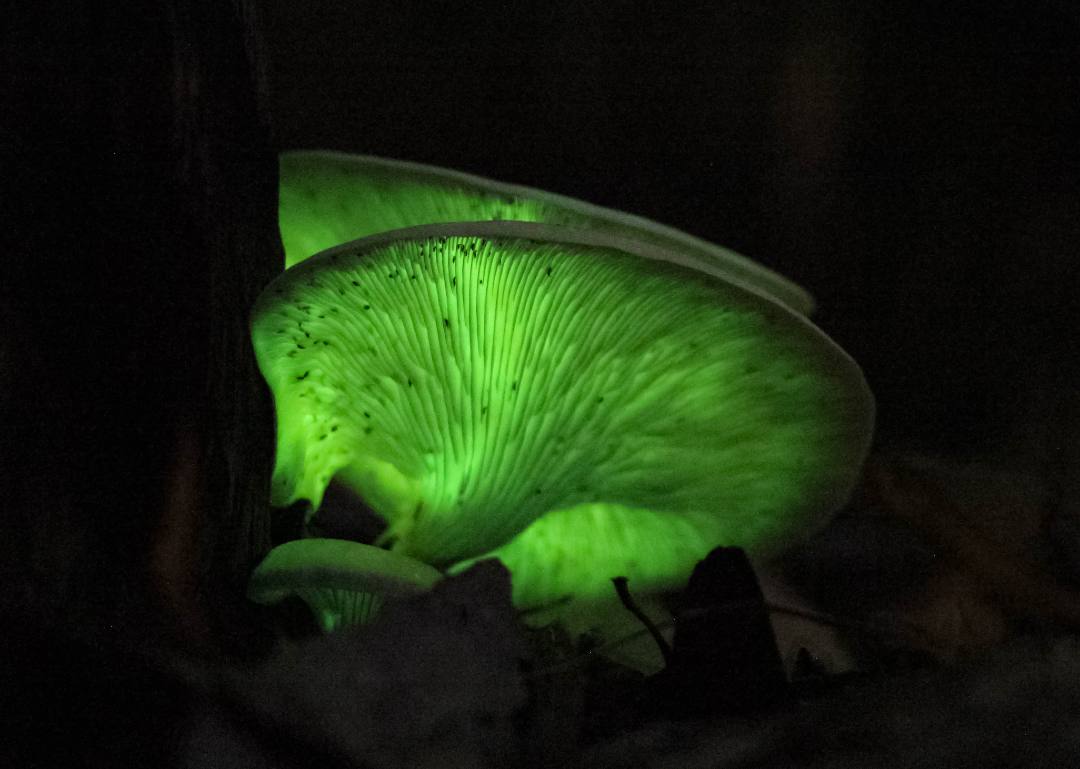
Photo 128326952 © Pipsdesign | Dreamstime
Mushrooms may have a secret they’re not telling you about, though they’re more at ease opening up to their own kind. In a fascinating study, electrical impulses that resemble language have been detected between fungi.
The human brain communicates with the rest of the body by sending out electrical impulses. Fungi function similarly, according to new research published in the Royal Society Open Science journal. They emit electrical signals through their mycelium network, a network of “threads” that deliver nutrients to nearby plant roots in exchange for the carbon that plants provide.
Four species of fungi were observed here: caterpillar fungi (Cordyceps militaris); ghost fungi (Omphalotus nidiformis); enoki fungi (Flammulina velutipes); and split gill fungi (Schizophyllum commune). The paper’s author Professor Andrew Adamatzky, a computer scientist at the University of the West of England, was surprised to learn that each species had a unique lexicon.
The electrical signals were conveyed almost like words in human language, and at similar lengths too. Interestingly, the fungi were found to understand as many as 50 “words,” though they tended to default to the same 15 to 20.
The fun guy of the group? The split-gill mushroom, which was said to converse in “remarkably diverse” speech.
The so-called vocabulary hasn’t been decoded, though My Modern Met surmises the “words” could be used to inform others of abundant soil or if a threat is near.
But those signals may not even be what we perceive as words, says mycologist Dan Bebber from the University of Exeter, who wasn’t involved in the project. Bebber tells the Guardian that the electrical pulses appear more like the nutrient signals that have been observed in other fungal species.
Bebber considers the concept of mushroom language as “somewhat overenthusiastic,” and says much more research has to be done before “‘Fungus’ appears on Google Translate.”
[via My Modern Met, Smithsonian Magazine, The Guardian, cover photo 128326952 © Pipsdesign | Dreamstime]


