
Intel Explores Putting Neurochip Resembling Human Brain Into PCs
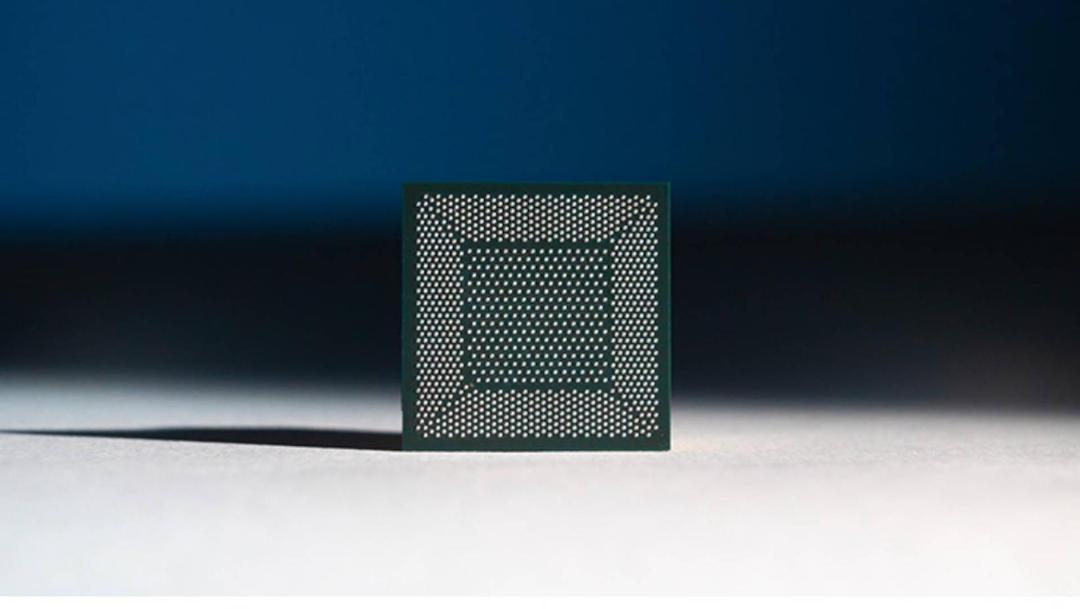
Image via Intel
The human brain is the inspiration for a chip that Intel has been working on and improving since 2017. ‘Loihi’, as the technology is coined, has pin-like structures that resemble a brain’s neurons. The company has previously envisioned its use in a prosthetic leg and even a foosball table, but it’s now zeroing in on the displays on people’s desks.
As per The Register (via TechRadar), Intel Labs lead Rich Uhlig recently gathered journalists at a roundtable to share how Loihi would potentially be incorporated into a commercial product.
Uhlig suggested that the neuromorphic chip could be inserted into CPUs for intensive, high-performance tasks, all while crunching energy consumption.
Intel in 2017 announced that the chip would only consume electricity when data is transmitted, as opposed to the usual computer chips that use up energy regardless. This makes Loihi a much more environmentally-friendly alternative for processors.
At the same time, the chip can accelerate the processing of workloads by up to “1,000 times faster” and handle them “10,000 times more efficiently” than traditional processors, Intel touted back in March 2020.
In the context of PCs, Loihi would have the capacity to efficiently power speech or gesture recognition in computers, among other tasks.
Besides hardware, though, Uhlig noted that the neuromorphic chip could instead be introduced as a cloud service.
The Intel Labs lead did not elaborate further as the team is still ironing out the best way to utilize the chip in commercial products, though he mentioned, “We think we’re onto something.”
[via TechRadar and The Register, cover image via Intel]


