
Architects Visualize ‘Cloudscapes’ With Buildings Floating In The Air
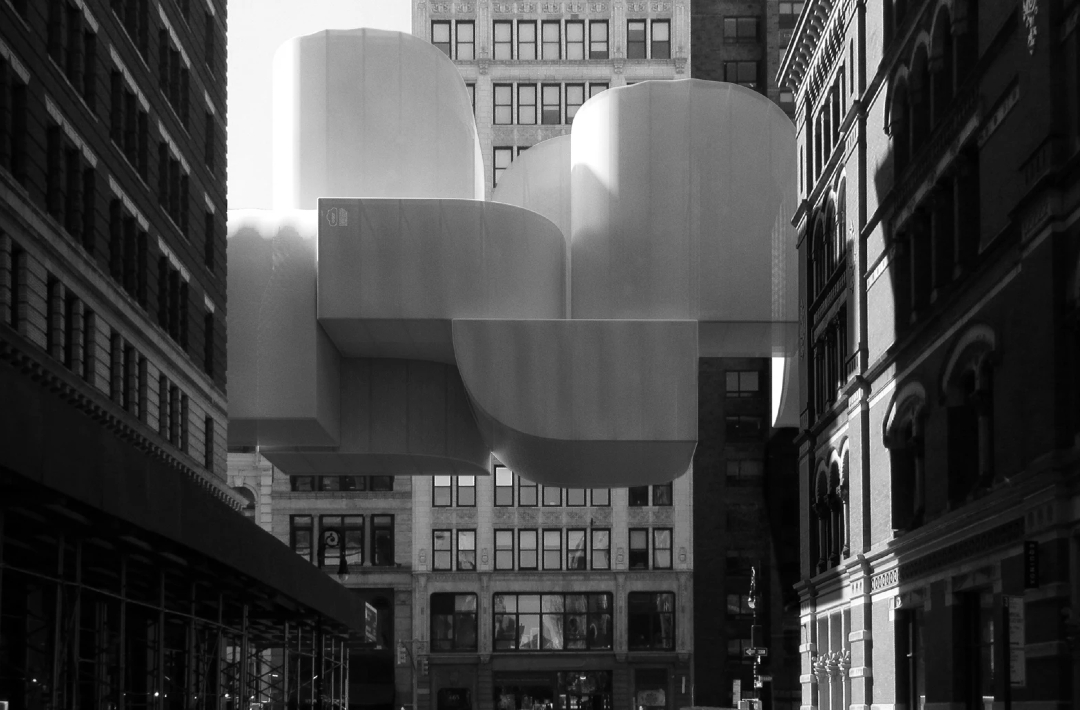
Image via Framlab
Cities are getting cramped, but that doesn’t mean there’s no more room for infrastructure. Designers at innovation studio Framlab are envisioning “cloudscapes”—landscapes that aren’t on land—as the next tier for architecture.
Oversky, a conceptual project led by eco-architect Andreas Tjeldflaat, imagines buildings constructed with materials that are lighter than air, therefore being able to fill unused space above the ground. The project was recently profiled by Fast Company in an article.
While the idea sounds like it came from someone whose head has been in the clouds, similar structures already exist in real life—think zeppelins.
Floating rooms could be set up with carbon fiber cells that hold helium (which isn’t flammable, so they won’t catch fire), and then fitted with other lightweight rooms to form fully-functioning centers.

Image via Framlab
The hovering structures could be attached to surrounding buildings so members of the public would be able to access them.
At the same time, these buildings could literally take the load off climate effects generated by infrastructure on the ground. They’ll create shade and bounce sunlight and radiation back into the sky, alleviating heat accumulated by dense buildings in urban areas—which tend to be hotter than undeveloped land. And when the climate is cooler, city-dwellers will see less need in resorting to air conditioners.
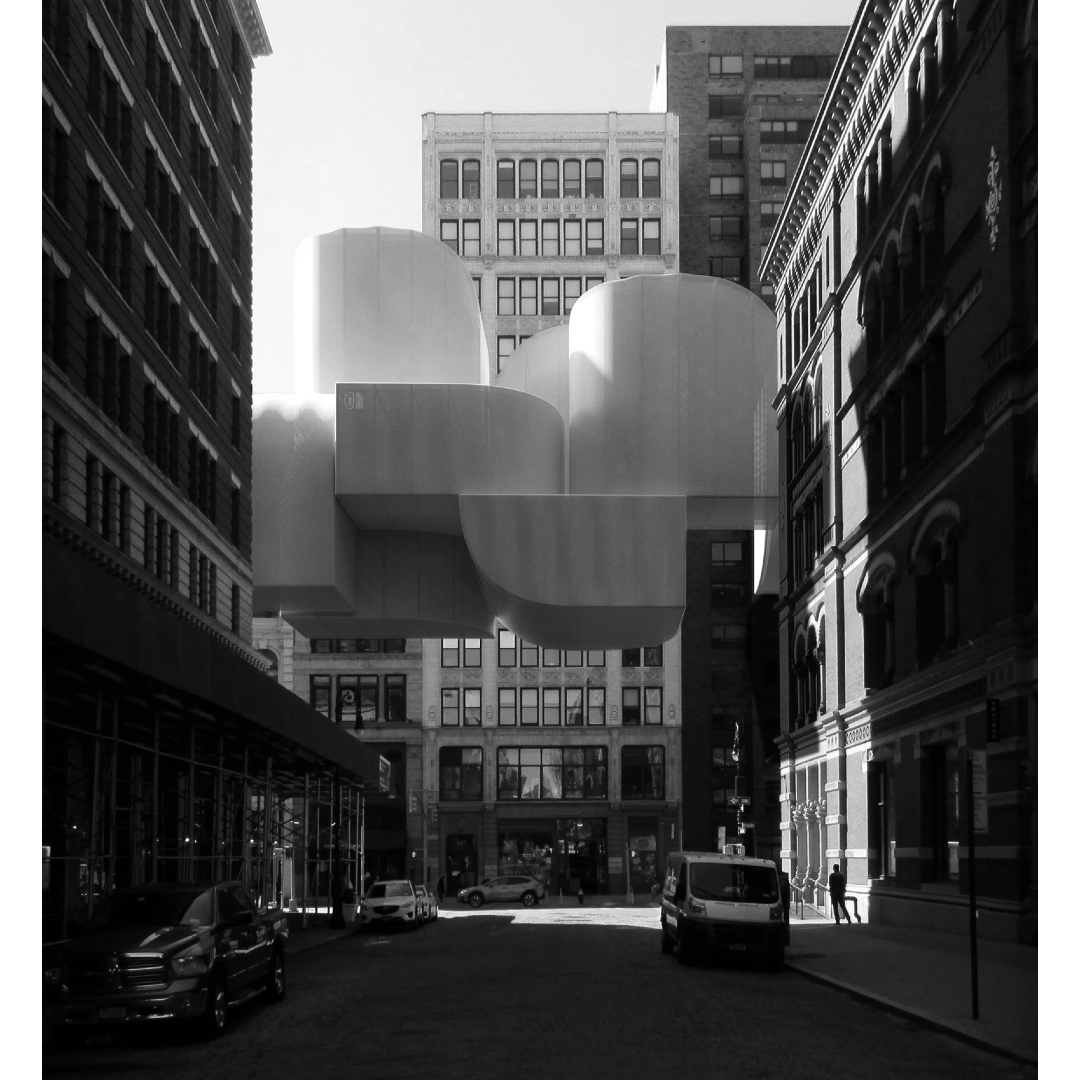
Image via Framlab
Mimicking how trees dissipate heat, cloudscapes could also adopt a technology called “nanophotonic engineering,” using a foam-like material made of “nanoscale air pockets,” to send heat back into the surroundings and keep cool.

Image via Framlab
For now, cloudscapes are just a concept, but Tjeldflaat believes aspects of it, like the panels that contain the floating modules, can already be brought into the real world.
[via Fast Company and Futurism, images via Framlab]


