
Secluded Antarctica Post Office Is Hiring, Job Scope Includes Counting Penguins
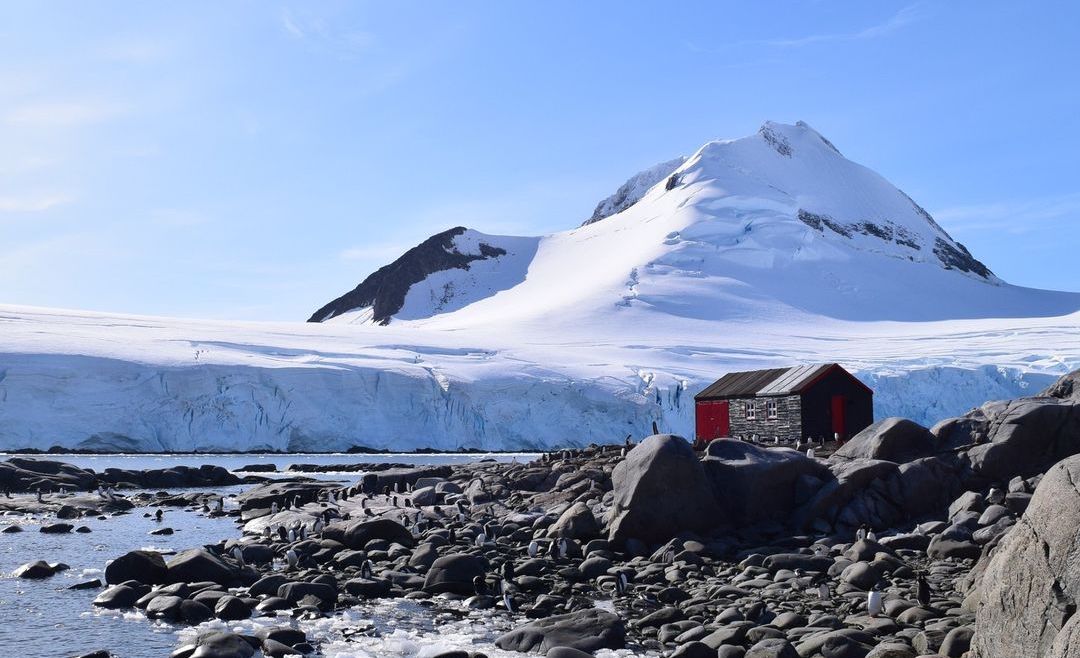
If you’re on the hunt for a new job, the world’s most remote post office hires annually.
Situated in cold, cold Antartica, the Penguin Post Office may seem like a rather lonely gig, but at least you’ll have the lovely penguins for company!
The British-owned building on Goudier Island has been up and running for nearly eight decades, and occupies the size of a football field. Not only does it act as the post office for the region, but it also doubles up as a museum under the UK Antarctic Heritage Trust.
As per the Washington Post, the charity foundation typically hires four postmasters—a base leader, shop manager, and two general assistants—to take watch on the island from November to March annually. Each of the employees have their own roles, but they will collectively be responsible for maintaining the site and welcoming the thousands of tourists who visit during the peak season.
Apart from counting the hundreds of penguins that live there, postmasters are expected to monitor other wildlife, and engage in some environmental data collection that may not be as glamorous as you’re picturing.
In fact, according to Upworthy, the trust emphasized that the job requires sharing a tiny lodge with three other people for five whole months, without any running water, internet, or mobile service. So, no, you won’t be able to post adorable TikToks of the penguins dancing to become a viral internet sensation.
Despite the tough conditions, it seems hundreds of people from all walks of life apply for the position every year. To qualify, you must be eligible to work in the UK, and will have to undergo a week of training in Cambridge before heading over to Antarctica.
Fancy giving it a whirl? Unfortunately, this year’s applications have closed, but with a salary of US$1,600 to US$2,300 a month and all the penguin friends you could ever want, maybe give it a go next time.
View this post on Instagram
View this post on Instagram
View this post on Instagram
[via Upworthy and The Washington Post, cover image via UK Antarctica Heritage Trust]


