
Scientists Create Plastic-Eating Enzyme That Could Chomp Through Tons Of Waste
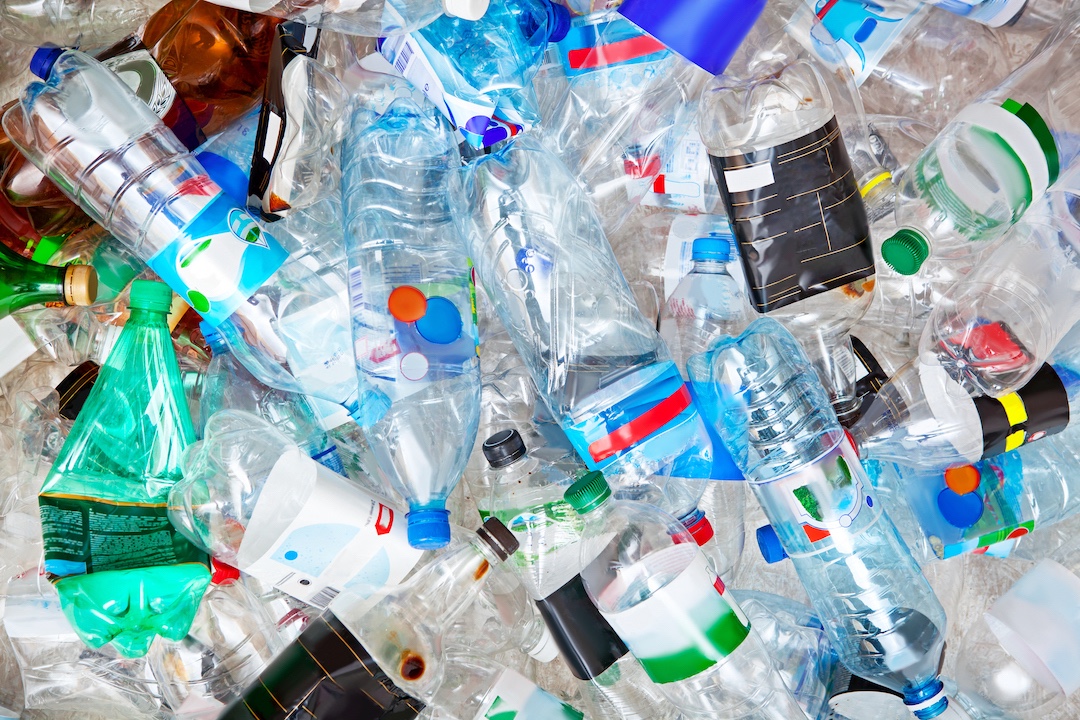
Back in 2018, researchers from the University of Portsmouth announced they had developed a plastic-eating enzyme on accident, which was found to be able to break down polyethylene terephthalate (PET), a common compound found in the billions of plastic bottles lining landfills.
Now, scientists at the University of Texas at Austin have engineered a similar creation, causing environmentally-unfriendly plastics to be broken down in just hours and days as compared to the usual centuries they’d have taken to degrade.
On the back of this discovery, the team not only hopes to biodegrade plastics more quickly, but allow major players in the industry to recover and reuse plastics at a molecular level, taking the recycling process to a never-before-seen level.
“The possibilities are endless across industries to leverage this leading-edge recycling process,” explained Hal Alter, Professor at the McKetta Department of Chemical Engineering.
“Beyond the obvious waste management industry, this also provides corporations from every sector the opportunity to take a lead in recycling their products. Through these more sustainable enzyme approaches, we can begin to envision a true circular plastics economy,” he added.
At the moment, PET makes up 12% of all global waste, a significant portion that includes packaging containers, soda bottles, and even certain textiles.
By breaking down the plastic into smaller parts through depolymerization and piecing it back together through depolymerization, the enzyme demonstrated it could successfully complete a “circular process” that could change the currently recycling procedure as we know it.
In addition, researchers at the Cockrell School of Engineering and College of Natural Sciences lent their expertise to the project by generating novel mutations of the enzyme using a machine learning model to come up with the most prolific strains that could break down plastics even at low temperatures.
Going forward, using the mutation that’s able to work at ambient temperatures, the team will work on scaling up the enzyme production for industrial and environmental uses.
Could we soon see the enzyme chomping its way through landfills?
[via Interesting Engineering and University of Texas at Austin, cover image via Dmitry Panchenko | Dreamstime.com]


