
Nvidia Imagines Ultra-Thin VR Glasses Design To Shed Off The Bulk
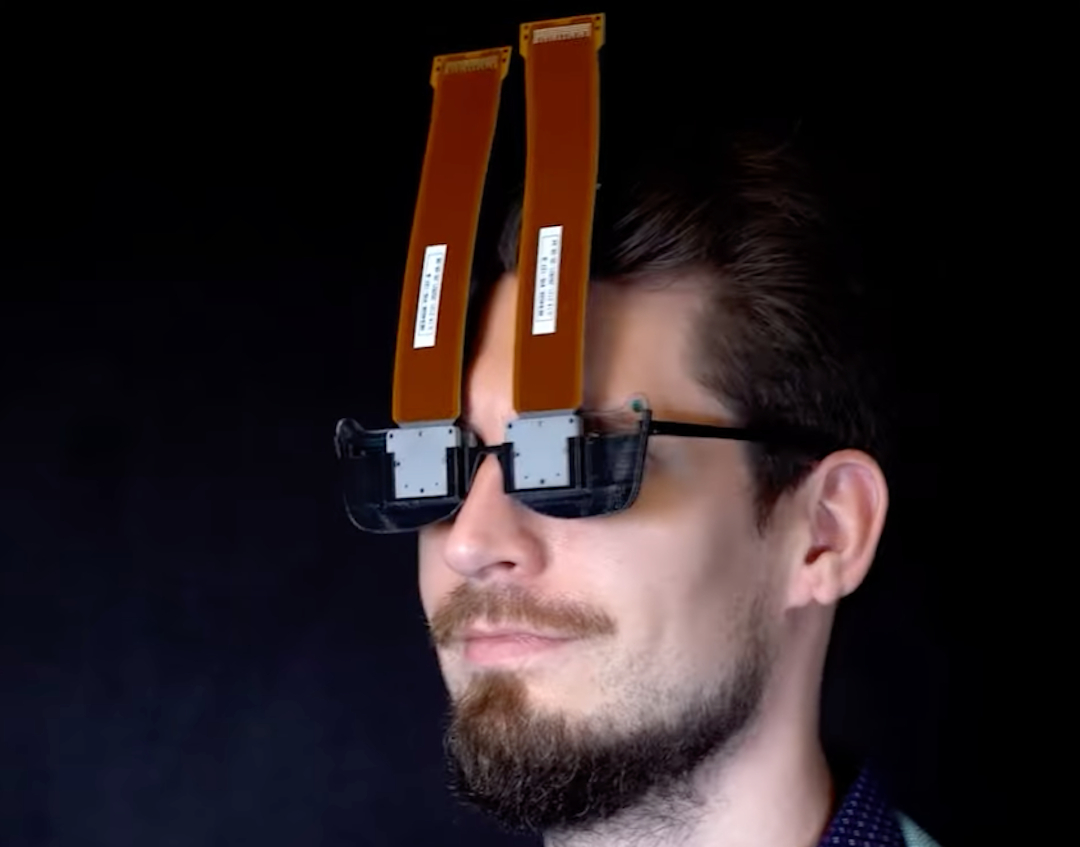
Video screenshot via Jonghyun Kim et al / Nvidia
Virtual-reality headsets aren’t up there in the ranks of minimalist design. They’re clunky, aren’t convenient to carry around, and are too heavy for prolonged use.
The reason they’re so bulky is because the displays are quite small and, therefore, require magnification for views to be more immersive. To achieve this, there has to be ample distance between the eyepiece and the display, and that gap is what’s keeping them from being portable.
And yes, there are flat lenses that can be used to project images. Called ‘pancake lenses’, they’re compact and lightweight, and you’ll see them on some military headsets and travel-friendly cameras. However, those are limited and can only display 2D graphics which aren’t sharp enough for VR closeups.
Researchers at Nvidia and Stanford University may have found a way to combine the best of both worlds. They have designed prototype VR glasses that are ultra-thin yet able to flash 3D images, and they’ve detailed their project in a new joint paper.
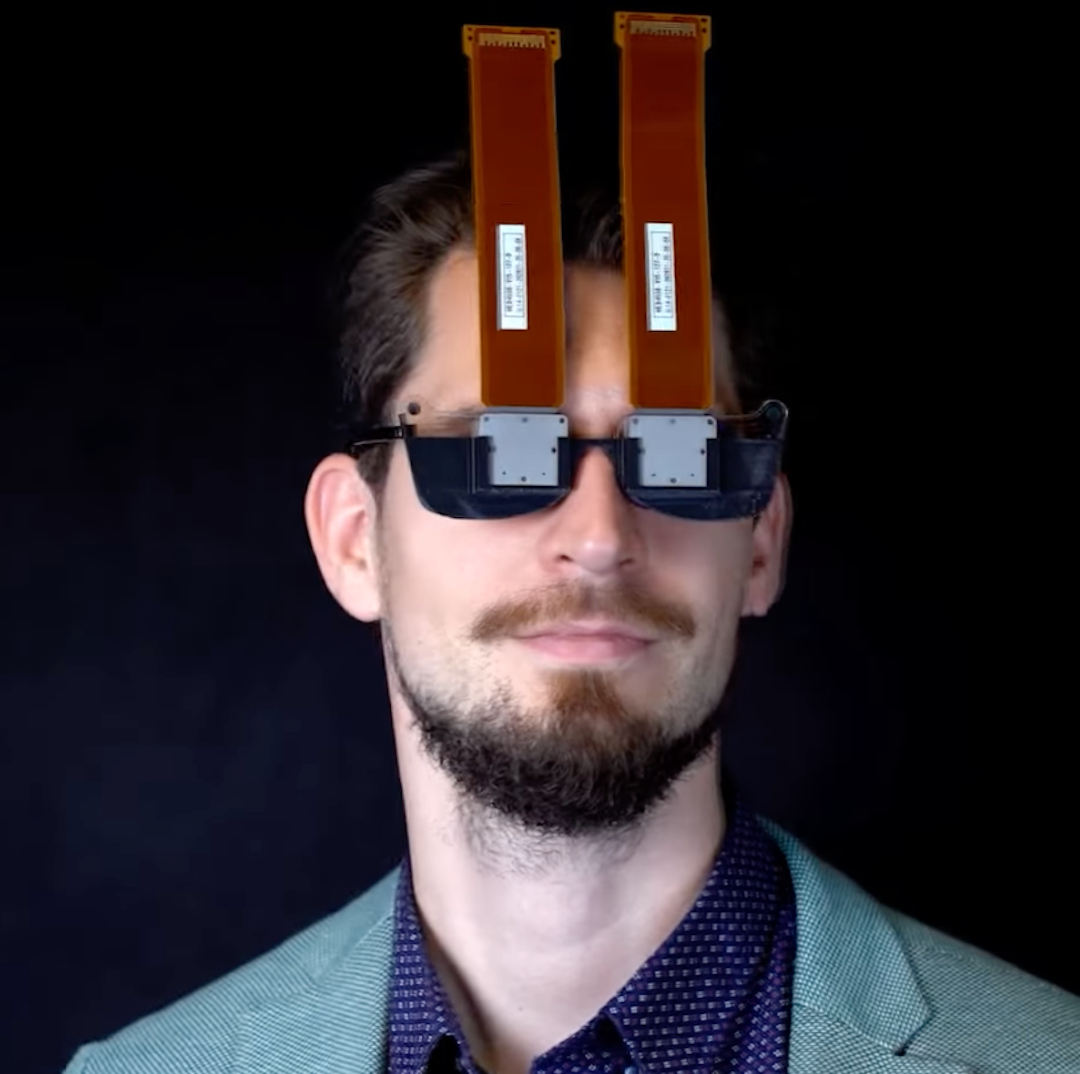
Video screenshot via Jonghyun Kim et al / Nvidia
Holographic images are the secret to sleek geeky eyewear that delivers both 2D and 3D visuals, according to this experiment. Since there’s no need to separate the eyepiece from the display, these innovative glasses are only 2.5 millimeters in thickness.
With that being said, holograms don’t give off the best image quality, either. However, the team believes these challenges can be overcome with AI enhancements.
What you’re looking at is a largely unfinished product, though. The team says the eyewear is a “working demo” with a focus on the display. Practically everything else, including the power and light source, aren’t built into the system depicted in the photos.
[via 9to5Mac and TNW, video and screenshots via Jonghyun Kim et al / Nvidia]


