
In World-First, A Weak Liver Was Treated In Machine & Successfully Transplanted
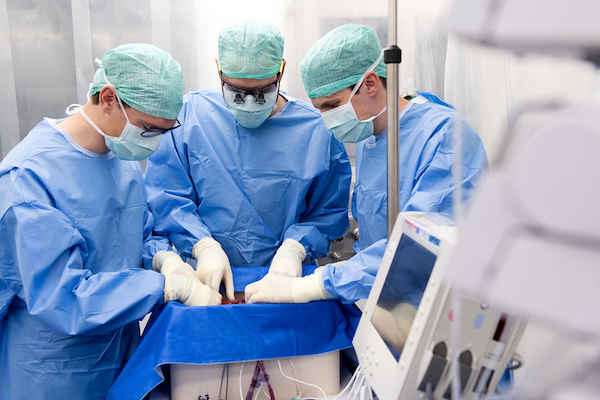
A remarkable breakthrough in the medical community sees a weak human liver being treated in a machine before it was transplanted into a patient. The perfusion machine was developed by the Liver4Life research team and emulates the conditions of the human body. With a pump as the heart and an oxygenator as the lungs, the machine played the perfect host for the liver for three days before being implanted into the patient.
The patient was a 62-year-old Swiss man who had a cancerous tumor on his liver and cirrhosis. He accepted the liver after it was rehabilitated in the machine for three days where it was treated with drugs in preparation before the implantation.
Organs usually only last up to 12 hours on ice or in a conventional perfusion machine. With this new advancement, it could mean that what once used to be emergency procedures that were incredibly time-sensitive can now be turned into planned procedures. This could save an incredible number of lives.
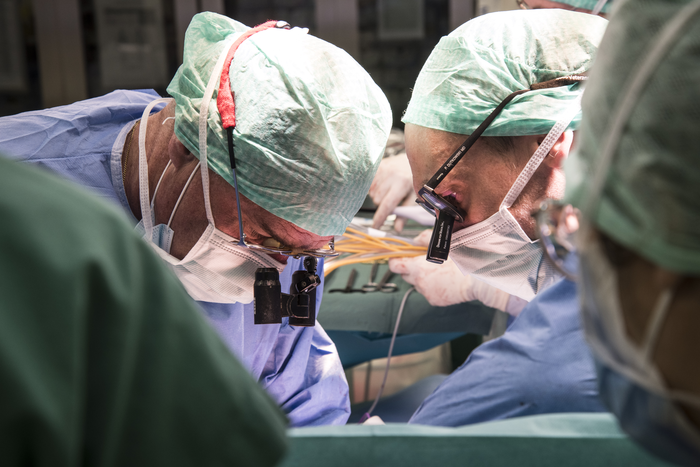
This new advancement in medicine and liver health also means that new drugs can be tested on livers held in these machines instead of being administered as trial drugs to patients. The freedom to experiment with this machine could see even more progress in treating liver diseases.
A year after the surgery, the patient is healthy and well. This breakthrough could be the first step in battling the scarce availability of organs out for donation. Once its efficiency and safety have been proven by performing this procedure on other patients, this will take the medical community in a whole new direction.
[via EurekAlert and Newsweek, images via University of Zurich]


