
Zaha Hadid Architects Unveils Luxury Yacht Concept Powered By Solar Panels
As one of the most influential voices in the architecture space, Zaha Hadid Architects has developed impressive projects over the years, most recently completing a sustainable headquarters in the Al Sahara desert.
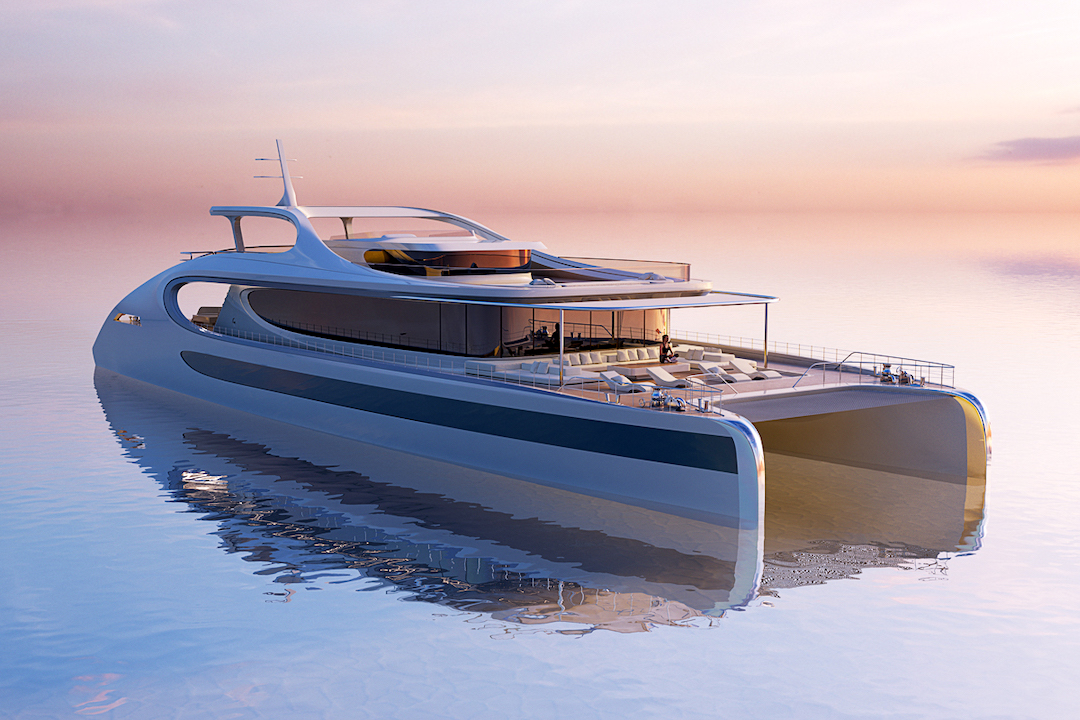
Now, the firm has unveiled a new Oneiric catamaran concept for Italian shipyard Rossinavi, combining solar panels and artificial intelligence (AI) to create “a new era of sustainable yachting.”
The vessel’s exterior was inspired by the dynamism of the ocean’s waves, with the “sinuous lines and reflective surfaces” used in the design continuing throughout its interior, resulting in what appears to be a blurring of boundaries between the ship and the sea.
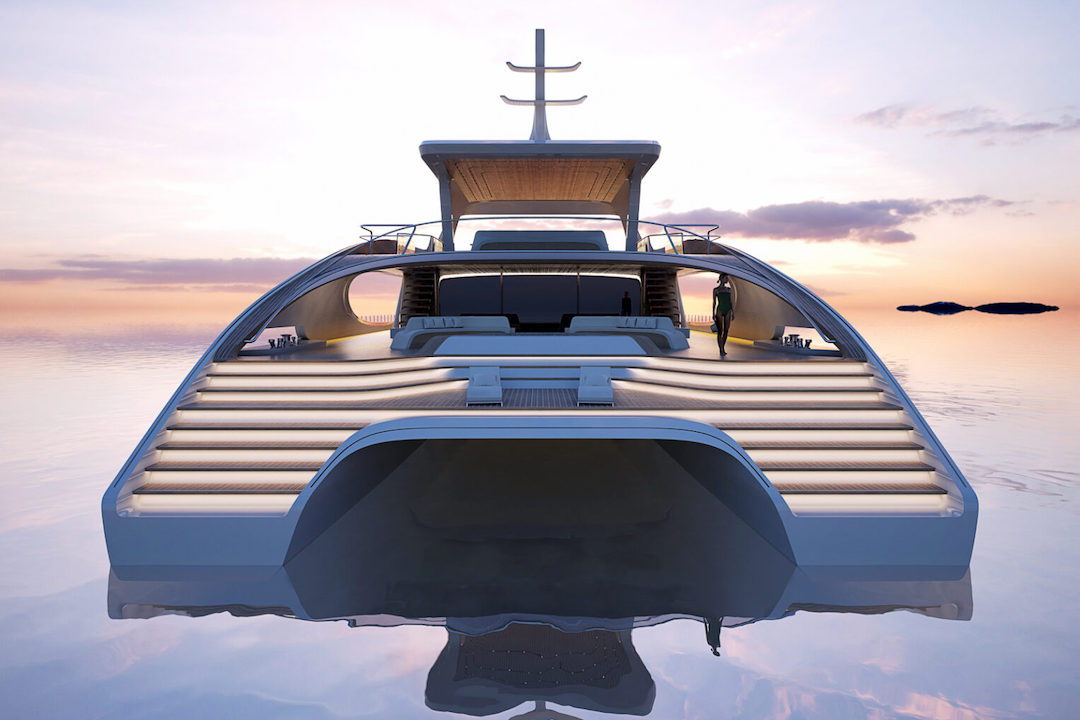
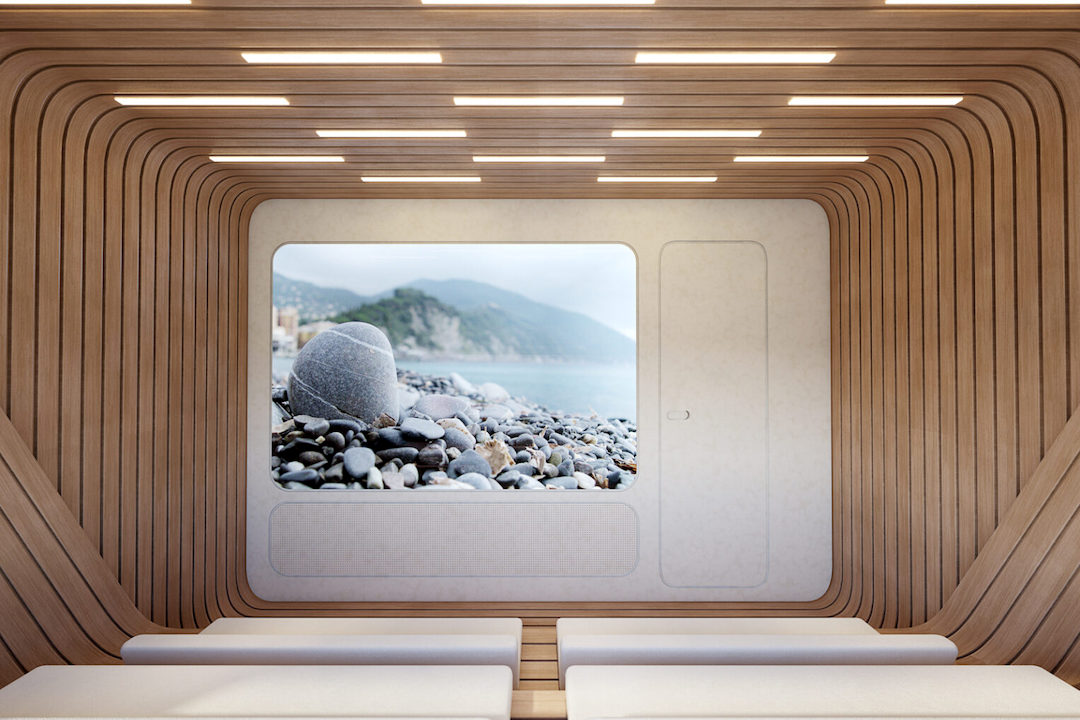
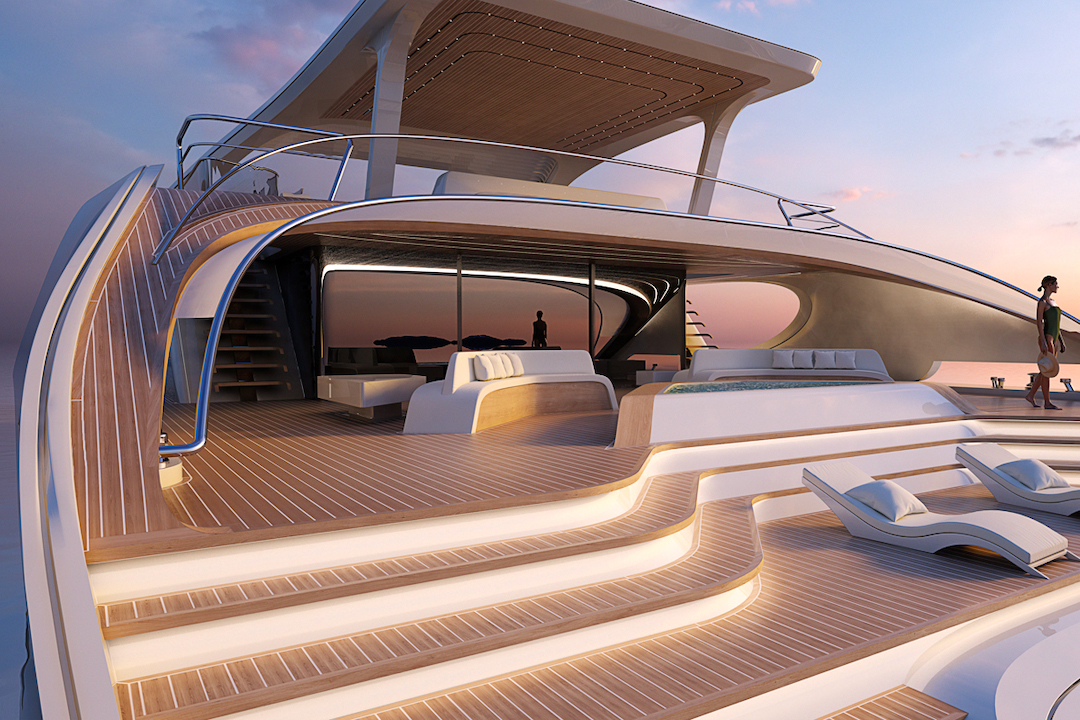
Within its spacious confines are multiple interior and outdoor lounging spaces, dining areas, a media room, owner’s suite, and four guest cabins—all of which are interconnected to accentuate this concept of “fluidity.”
According to a press release, the concept yacht boasts Rossinavi’s flagship green technology, in which three levels of solar panels have been integrated into the design that will power the vessel’s battery pack.
The boat’s system will rely on an AI-driven control center to monitor its energy consumption, battery status, and environmental impact to offer real-time suggestions on the most sustainable path of navigation.

Impressively, the luxury cruiser will be able to travel in full-electric mode—which releases no carbon emissions—during a day trip. On transatlantic crossings, it’ll adopt the greener mode of travel for 70% of the journey, which translates to 40 tonnes less carbon dioxide emissions as compared to a conventional boat.
“This pursuit of environmental sustainability is driven by the desire to conserve the well-being of the ocean’s ecosystems,” said Zaha Hadid Architects.
“Rossinavi’s technological innovations and philosophy of sustainability are inspired by phytoplankton, a small marine algae that converts sunlight into energy and provides more than half of the Earth’s annual oxygen production,” it continued.
“These billions of microscopic organisms remind us that, working together, we can all contribute to a healthier environment.”
[via New Atlas and Zaha Hadid Architects, images via Zaha Hadid Architects]


