
Scientists Develop Injectable Gel That Can Repair Damage After Heart Attacks
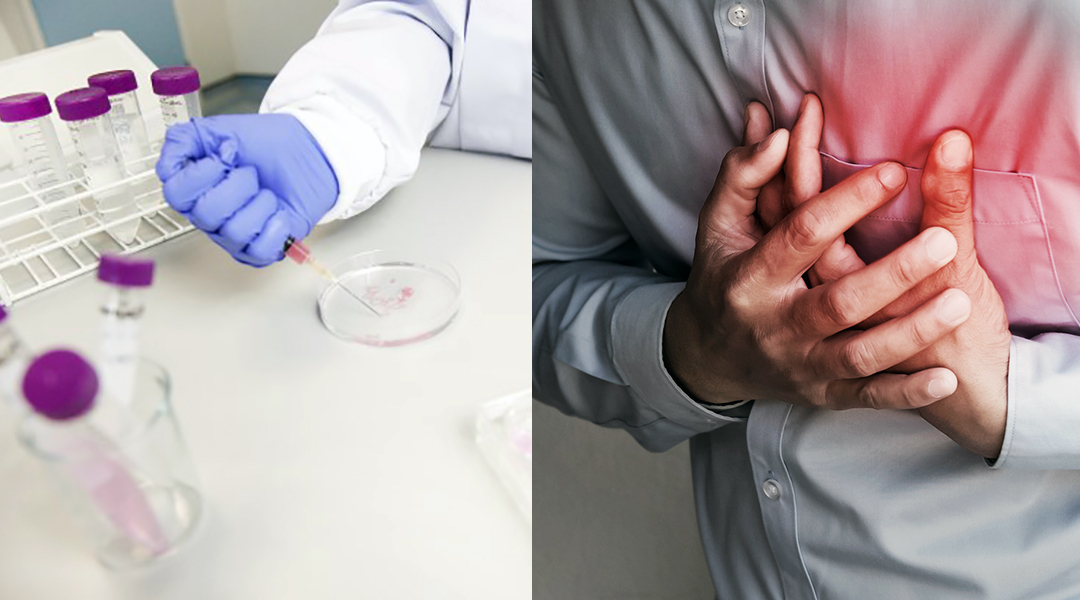
In semblance of a miracle, researchers at the British Cardiovascular Society conference presented findings of a new biodegradable gel that can be used to repair damage caused by a heart attack by delivering cells directly into a living heart.
Currently, when cells are injected directly into the heart, only 1% remain in place and survive. With this injectable gel, however, doctors will be able to safely administer the cells into a beating heart, and help it to remain there to grow new tissue, making it a breakthrough component for pioneering regenerative heart treatments.
“The heart has a very limited ability to repair any damage it sustains. Our research has been looking for ways to overcome this so we can keep the heart in a healthier place for longer,” explained Katherine King, a PhD student at the University of Manchester, who led the research.
“While it’s still early days, the potential this new technology has in helping to repair failing hearts after a heart attack is huge. We’re confident that this gel will be an effective option for future cell-based therapies to help the damaged heart regenerate,” she added.
In the study, the researchers found early signs of blood vessel growth in the gel, leading them to believe it could eventually boost the growth of new vessels within the heart.
Plus, upon adding human cells—reprogrammed to become heart muscle cells—into the gel, they were able to grow and spontaneously beat, proving that the technology could support growth of normal heart muscle tissue as well.
According to the British Heart Foundation, the gel used in the experiment is made of chains of amino acids, otherwise known as peptides, or the base layers of proteins. At first, while under stress, the gel acts like a liquid, allowing it to be injected into the heart, before it solidifies and holds the cells in place as they graft onto the organ.
Now, the team is planning to trial the treatment on mice that have suffered a heart attack, in order to observe if the heart cells injected can develop new muscle tissue and restore the heart to its full capabilities.
“This new injectable technology harnesses the natural properties of peptides to potentially solve one of the problems that has hindered this type of therapy for years,” said Professor James Leiper, Associate Medical Director at the British Heart Foundation.
“If the benefits are replicated in further research and then in patients, these gels could become a significant component of future treatments to repair the damage caused by heart attacks.”
[via The Guardian and British Heart Foundation, cover image via Lovelyday12 | Dreamstime.com and British Heart Foundation]


